
1. Why Engineered Quartz Is Transforming Wall Design
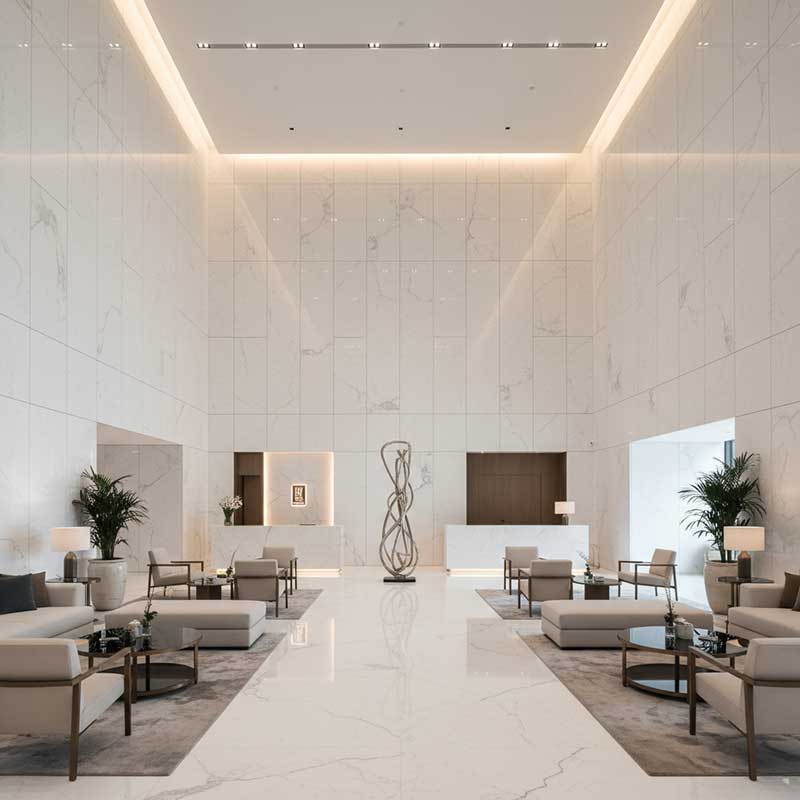
Engineered quartz has undergone a remarkable evolution over the past decade. Once confined almost exclusively to kitchen countertops and bathroom vanities, it has emerged as one of the most sought-after wall cladding materials in contemporary architecture and interior design. Architects, interior designers, and project developers across the globe are now specifying quartz wall panels for spaces ranging from luxury residential living rooms and master bathrooms to five-star hotel lobbies, high-end retail showrooms, and corporate headquarters.
The transformation is driven by several converging factors. First, advances in quartz manufacturing technology — particularly in veining reproduction and large-format slab production — have enabled the creation of quartz panels that rival the beauty of the finest Italian Calacatta and Statuario marbles. Second, the inherent limitations of natural stone for wall applications (weight inconsistency, structural vulnerabilities, sealing requirements, and color matching challenges across multiple slabs) have pushed designers toward engineered alternatives that eliminate these problems entirely. Third, the global construction industry's accelerating focus on sustainable, low-maintenance building materials has made quartz wall cladding an increasingly attractive specification.
According to the Natural Stone Institute, the demand for engineered stone in vertical applications has grown at approximately three times the rate of natural stone over the past five years. This trend is especially pronounced in the hospitality and luxury residential sectors, where design consistency across large surface areas is paramount.
Key Advantages Over Natural Stone for Wall Surfaces
When evaluating wall cladding materials, the comparison between engineered quartz and natural stone (marble, granite, travertine) reveals significant advantages for the engineered option in vertical applications. Natural marble slabs, for example, can contain hidden fissures, fossil inclusions, or varying density zones that may not be apparent during selection but can cause structural failure when installed vertically. A hairline crack that would be inconsequential in a horizontal countertop can become a critical failure point when the same slab is subjected to gravitational shear stress on a wall.
Engineered quartz eliminates this risk through its homogeneous composition. Every square centimeter of a quartz panel has the same density, flexural strength, and structural integrity. This uniformity is not merely an aesthetic advantage — it is a fundamental safety consideration for vertical cladding applications, especially in commercial environments where wall panels may span heights of 3 meters or more.
Maintenance is another decisive factor. Natural marble walls in humid environments (bathrooms, pool areas, spa facilities) are susceptible to water absorption, efflorescence (white salt deposits), biological growth, and acid etching from cleaning products. These issues require periodic professional treatment and resealing — a significant ongoing cost for commercial property operators. Quartz wall panels, with their near-zero porosity (water absorption rate below 0.02% per ASTM International testing protocols), are completely immune to these problems.
2. Material Science: What Makes Quartz Suitable for Walls
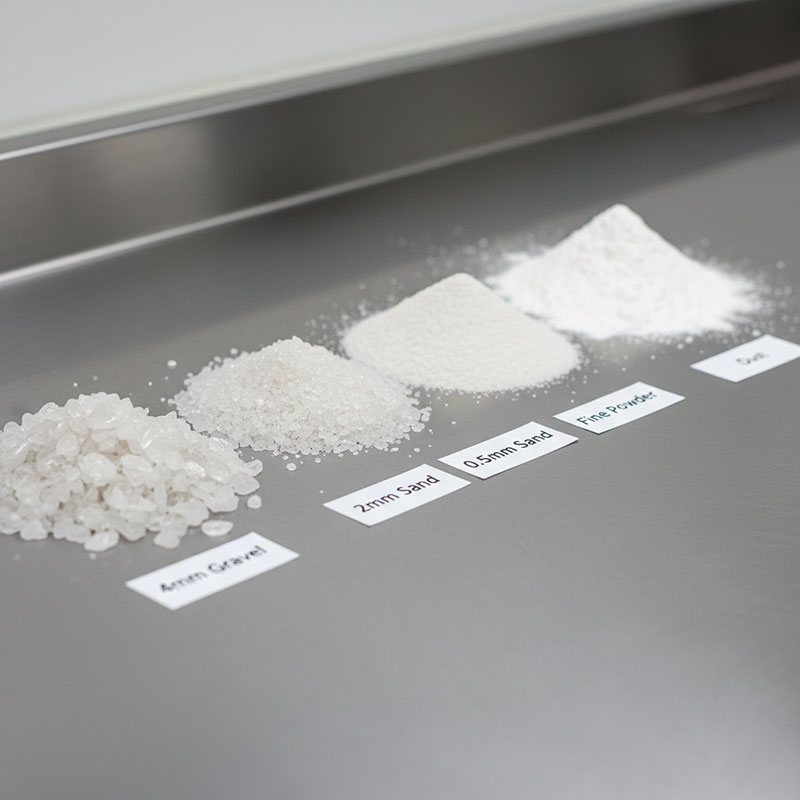
Understanding the material composition of engineered quartz provides critical insight into why it performs exceptionally well as a wall cladding material. Engineered quartz (sometimes referred to as engineered stone or agglomerated stone) is a composite material comprising approximately 90–94% ground natural quartz crystals bound together with 6–10% polymer resins (typically unsaturated polyester or acrylic) and pigments.
The manufacturing process involves combining these ingredients under intense vibro-compaction and vacuum pressure, followed by kiln curing at controlled temperatures. This process, known as the Breton compaction method (developed by the Italian company Breton S.p.A.), creates a material with physical properties that are, in many respects, superior to natural stone for construction applications.
Physical Properties Relevant to Wall Applications
The physical characteristics of engineered quartz make it uniquely well-suited for vertical installation. Its flexural strength (bending strength) typically ranges from 40 to 60 MPa, which exceeds most natural marbles (10–20 MPa) and many granites (15–30 MPa). This higher flexural strength means thinner quartz panels can span larger unsupported areas without risk of cracking or deflection — a crucial advantage when designing large-format wall cladding systems.
The material's compressive strength (120–140 MPa) ensures it can withstand the localized stresses created by mechanical fixing points without crumbling or cracking around anchor holes. Its low coefficient of thermal expansion means panels remain dimensionally stable across the temperature ranges encountered in interior environments, preventing the joint gaps and panel warping that can affect less stable materials.
| Physical Property | Engineered Quartz | Natural Marble | Natural Granite |
|---|---|---|---|
| Flexural Strength (MPa) | 40–60 | 10–20 | 15–30 |
| Compressive Strength (MPa) | 120–140 | 50–80 | 100–250 |
| Water Absorption (%) | < 0.02 | 0.2–0.6 | 0.1–0.4 |
| Density (kg/m³) | 2,300–2,500 | 2,500–2,700 | 2,600–2,800 |
| Mohs Hardness | 7 | 3–4 | 6–7 |
| Sealing Required | No | Yes (annually) | Yes (every 2–5 years) |
Perhaps most critically for wall applications, the controlled density of engineered quartz (2,300–2,500 kg/m³) is slightly lower than natural marble (2,500–2,700 kg/m³) and granite (2,600–2,800 kg/m³). This means quartz wall panels are lighter per square meter at equivalent thickness, reducing structural load requirements and making adhesive-only installation feasible for a wider range of panel sizes.
3. Thin Panel Options: 12mm, 15mm & 20mm Compared
One of the key decisions in specifying quartz wall cladding is selecting the optimal panel thickness. Unlike countertop applications where thicker slabs (20mm or 30mm) are standard for structural and aesthetic reasons, wall cladding applications generally favor thinner panels. Thinner panels reduce the dead load on wall structures, minimize the visual "depth" at exposed edges and external corners, decrease material costs, and simplify handling and installation logistics.
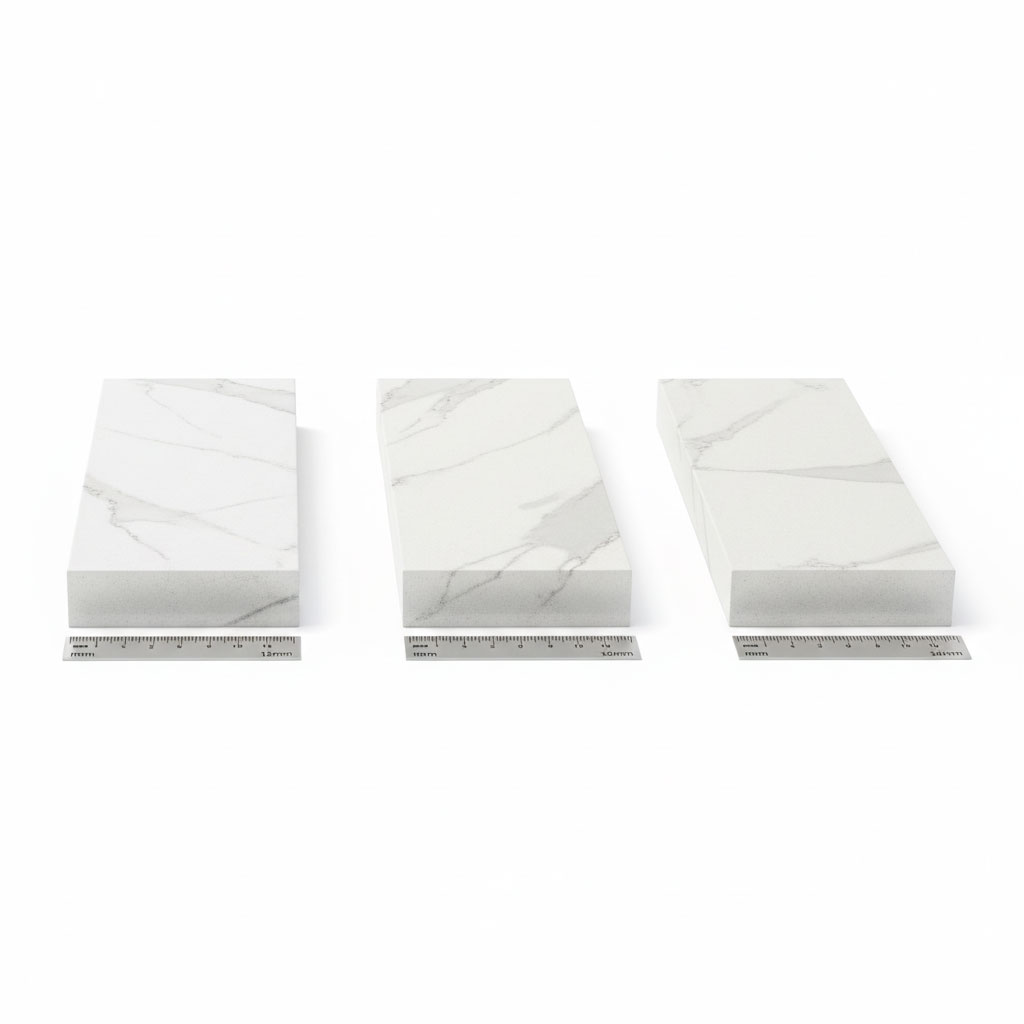
The three most common thickness options for quartz wall cladding are 12mm, 15mm, and 20mm. Each has distinct characteristics, applications, and cost implications that should be carefully matched to the specific project requirements.
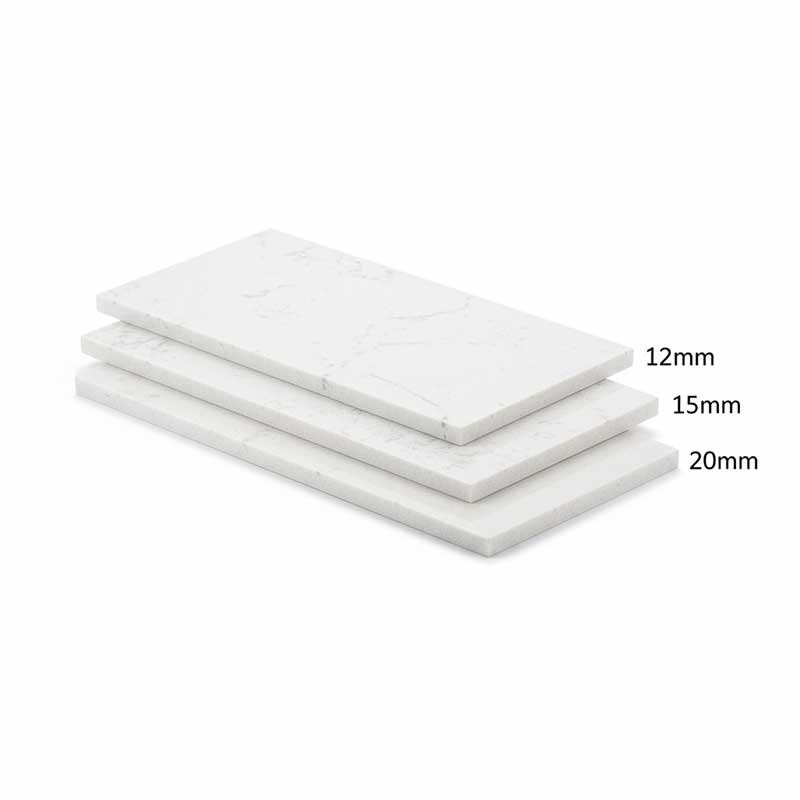
| Thickness | Weight (kg/m²) | Optimal Applications | Max Panel Size (Adhesive Only) | Relative Cost |
|---|---|---|---|---|
| 12mm | ~30 | Feature walls, accent panels, backsplashes, lightweight cladding on drywall | 1200 × 600mm | Most economical |
| 15mm | ~37.5 | Full wall cladding, fireplace surrounds, column wraps, elevator lobbies | 1500 × 800mm | Mid-range |
| 20mm | ~50 | Heavy-duty wall applications, integrated shelving, reception desks, areas with impact risk | Not recommended (mechanical fixing required) | Standard countertop pricing |
12mm Panels: The Preferred Wall Cladding Choice
The 12mm thickness has become the de facto standard for dedicated wall cladding applications. At approximately 30 kg/m², 12mm quartz panels are light enough for adhesive-only installation on most properly prepared wall substrates — including reinforced gypsum board (drywall), cement board, and concrete — without requiring mechanical fixings for moderate panel sizes. This significantly reduces installation time, complexity, and cost compared to both thicker quartz panels and natural stone alternatives.
The visual profile of 12mm panels is also superior for wall applications. At external corners, returns, and edge-of-wall terminations, the thin edge creates a sleek, contemporary appearance that thicker slabs cannot achieve. Mitred 12mm panels at external corners produce a nearly invisible joint line, creating the illusion of a solid stone wall.
15mm Panels: The Commercial-Grade Standard
The 15mm thickness represents an optimal compromise between weight reduction and structural robustness for commercial environments where walls may be subject to impact loads — hotel corridors, restaurant dining areas, retail spaces, and public building lobbies. The additional 3mm of material compared to 12mm panels provides noticeably greater impact resistance and allows for more aggressive mechanical fixing without risk of cracking around anchor points.
20mm Panels: When Extra Strength Matters
The 20mm thickness is less commonly specified for pure wall cladding due to its weight (50 kg/m²), but it is the correct choice for wall applications that incorporate structural elements — built-in shelving niches, integrated lighting recesses, or panel sections that transition from wall to horizontal surfaces (such as reception desks or window sills). The 20mm thickness matches standard countertop specifications, enabling seamless material continuity from horizontal to vertical surfaces.
4. Bookmatching & Vein Design Techniques
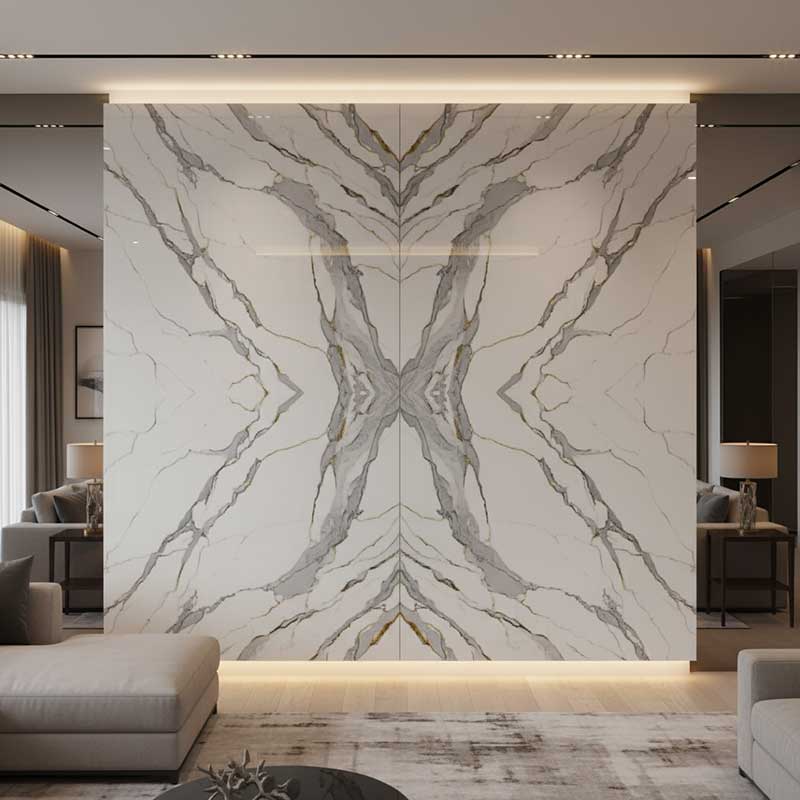
Bookmatching is arguably the most visually dramatic technique in architectural stone design, and engineered quartz has made it more accessible, consistent, and spectacular than ever before. The term "bookmatching" originates from the concept of opening a book — two adjacent surfaces are mirrored, creating a symmetrical pattern that unfolds from a central axis. In natural stone, this is achieved by cutting two sequential slabs from the same quarry block and flipping one to create the mirror image. The results can be breathtaking, but natural stone bookmatching is inherently unpredictable; veining may not align perfectly, colors may shift between slabs, and structural flaws can appear in one half but not the other.
Engineered quartz overcomes these limitations through controlled manufacturing. Veining patterns are designed and reproduced with intentional symmetry, and adjacent slabs can be produced with perfect mirror-image veining that aligns precisely at the joint line. The result is a level of visual precision that natural stone bookmatching can rarely achieve — a fact that has made bookmatched quartz feature walls the centerpiece of luxury interiors worldwide.
Veining Styles and Their Visual Impact
The choice of veining style profoundly affects the aesthetic outcome of a quartz wall installation. Different veining patterns create distinctly different atmospheres and should be selected based on the intended design language of the space.
Bold dramatic veining (Calacatta-inspired designs with thick, sweeping gold, grey, or brown veins on a warm white background) creates statement walls with museum-like visual impact. This style is ideal for single feature walls in large spaces — hotel lobbies, living room focal walls, or corporate reception areas — where the wall itself serves as the primary design element, replacing artwork or decorative installations.
Subtle fine veining (Carrara-inspired designs with delicate grey threads on a cool white background) produces refined, understated elegance that works well for full-room cladding where multiple walls are covered. The softer veining creates visual texture without competing with other design elements in the space, making it the preferred choice for bathrooms, spa areas, and residential interiors where calm sophistication is the goal.
Dramatic bold veining (Statuario-inspired designs with thick, high-contrast grey veining on pure white) occupies a middle ground — more visually assertive than Carrara but less warm than Calacatta. This style has become particularly popular for fireplace surrounds and dining room feature walls where a contemporary, slightly dramatic aesthetic is desired.
Vein Direction: Horizontal, Vertical, and Diagonal
The orientation of veining on a wall panel significantly affects the perceived proportions of a space. Horizontal veining creates a sense of visual width, making rooms feel more spacious laterally — an effective technique for narrow corridors, hotel elevator lobbies, or rooms with limited width. Vertical veining draws the eye upward, emphasizing ceiling height and creating a sense of grandeur — the preferred orientation for double-height lobbies, stairwell walls, and spaces where vertical emphasis is desired. Diagonal veining introduces dynamic energy and movement, creating a more contemporary and visually active wall surface.
When ordering quartz for wall cladding, it is essential to specify vein direction on your purchase order. Slabs produced with horizontal veining cannot simply be rotated 90° for vertical installation — the vein pattern must be manufactured in the correct orientation to achieve the desired visual effect.
Flow Matching for Multi-Wall Installations
For projects where quartz cladding extends across multiple walls within the same space (wrapping around corners, covering adjacent walls, or spanning L-shaped configurations), "flow matching" is a more advanced technique than simple bookmatching. Flow matching involves designing veining that transitions logically from one panel to the next and continues seamlessly around corners, creating the illusion that the entire room is carved from a single block of stone.
Achieving convincing flow matching requires close collaboration between the designer, fabricator, and our factory. Detailed three-dimensional layout drawings are essential — not just individual wall elevations, but a complete unfolded room layout showing how panels wrap from one surface to the next. Our manufacturing team can produce custom-sequenced panel sets specifically for these complex multi-wall installations.
5. Feature Wall Applications
Feature walls represent the highest-impact application for quartz wall cladding. A thoughtfully designed quartz feature wall can serve as the definitive design statement of a space, replacing the need for artwork, decorative wall treatments, or multiple design elements with a single, powerful surface that commands attention and elevates the perceived value of the entire interior.
Residential Living Room & Dining Room Feature Walls
In luxury residential interiors, the living room feature wall has become one of the most requested applications for quartz cladding. Typically positioned behind the main seating area, television unit, or dining table, a full-height quartz wall creates a permanent backdrop that transforms the entire atmosphere of the room. The material's polished surface reflects ambient light and adds visual depth, making rooms feel larger and more luminous.
Common configurations include full-wall floor-to-ceiling cladding (creating maximum impact), partial-height cladding with a contrasting upper wall finish (creating a wainscoting effect), and centered panel installations surrounded by complementary wall treatments. For residential projects, the 12mm thickness is almost always sufficient, and bookmatched designs centered on the TV or fireplace position create stunning symmetrical focal points.
Fireplace Surrounds
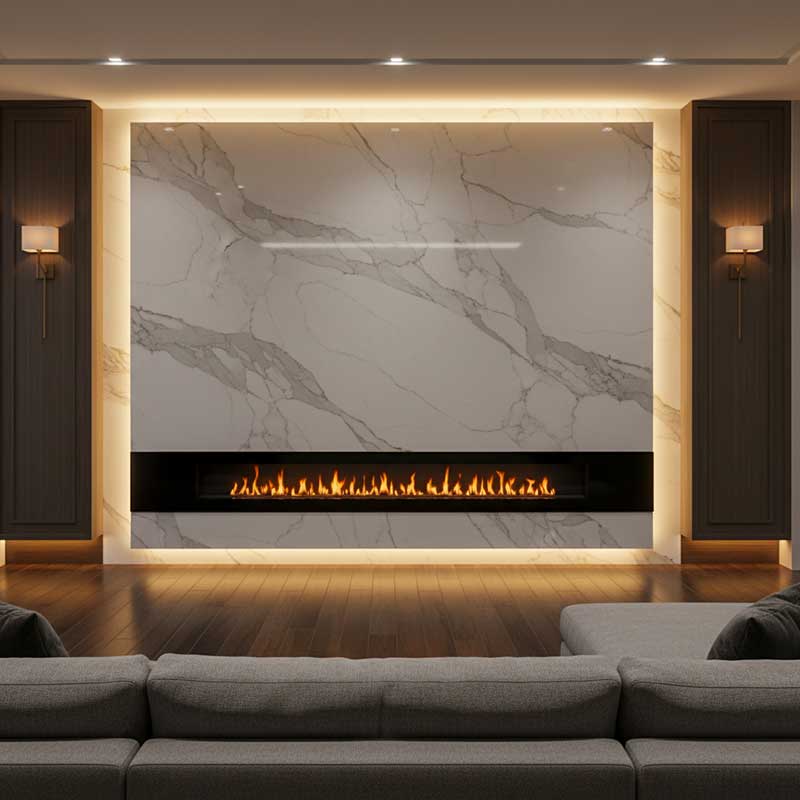
Quartz fireplace surrounds are among the most popular residential feature wall applications, and for good reason. The clean, contemporary aesthetic of a quartz surround provides a striking alternative to traditional brick, stone, or tile fireplace facades. The material can be fabricated with precision mitered corners, integrated mantels, and custom recesses for built-in media equipment.
However, quartz fireplace applications require careful thermal management. Engineered quartz should not be exposed to sustained temperatures exceeding 150°C (302°F), as the polymer resin binder can discolor, crack, or degrade at higher temperatures. This means quartz is fully compatible with sealed electric fireplaces and sealed gas inserts (where combustion is contained within the firebox and radiant heat is controlled), but it is not suitable for open wood-burning fireplaces or any configuration where direct flame contact or extreme radiant heat can reach the quartz surface.
Hotel & Hospitality Feature Walls
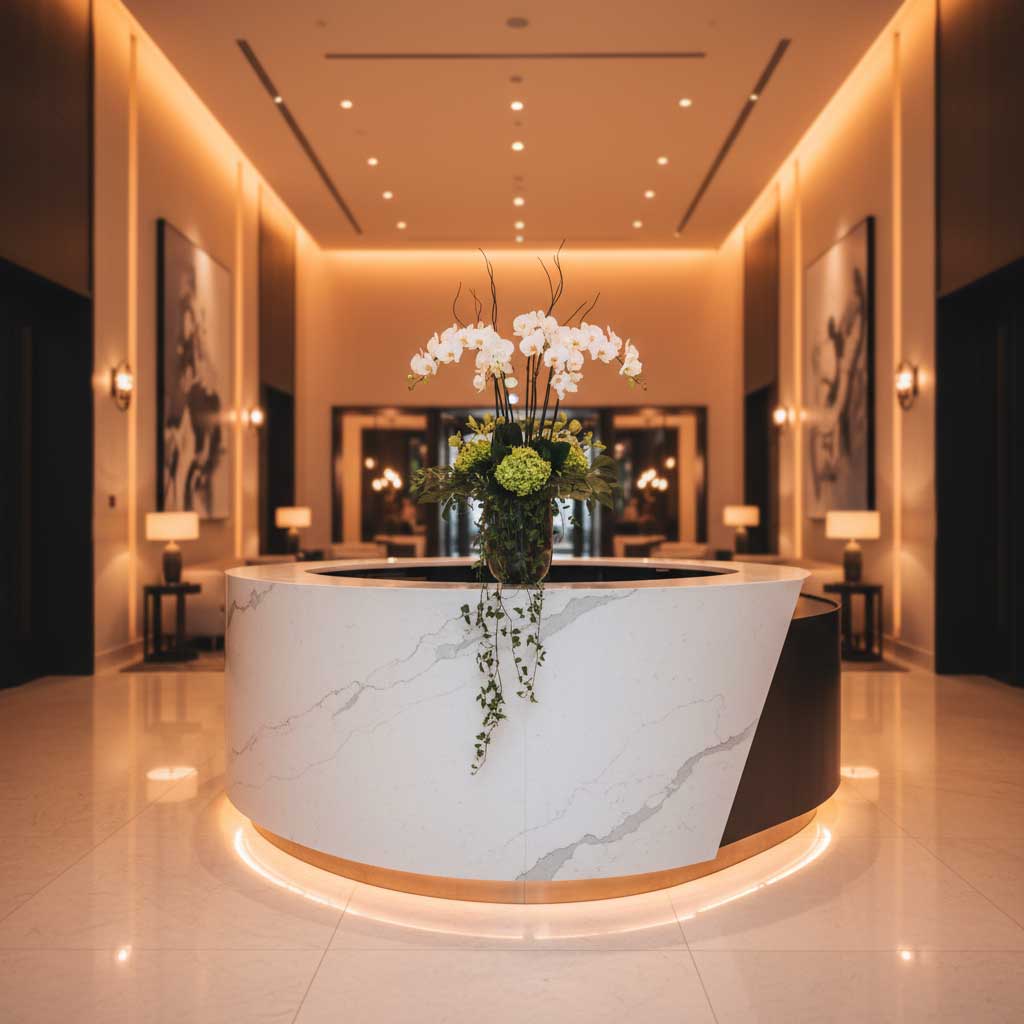
The hospitality sector has embraced quartz wall cladding with particular enthusiasm. Hotel lobbies, reception areas, elevator lobbies, corridor feature walls, ballroom entrances, and restaurant interiors present ideal opportunities for large-format quartz installations. The material's design consistency is especially valuable in hospitality — a hotel chain can specify a signature wall cladding design and achieve identical visual results across every property, regardless of when or where the material is manufactured.
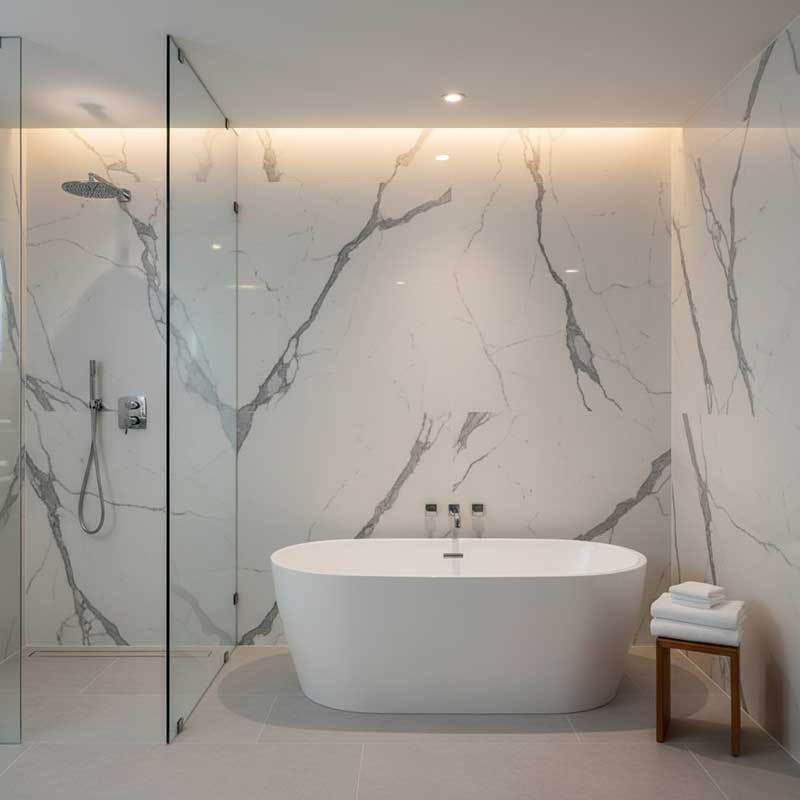
Full-height quartz panels in hotel bathrooms — spanning floor to ceiling behind bathtubs, rain showers, or vanity walls — have become a defining feature of five-star properties worldwide. The seamless, grout-free surface creates a spa-like atmosphere while dramatically reducing housekeeping maintenance compared to traditional tiled walls. Leading hospitality design publications such as ArchDaily regularly feature quartz-clad interiors as examples of contemporary luxury hotel design.
Kitchen Backsplash & Full-Height Walls
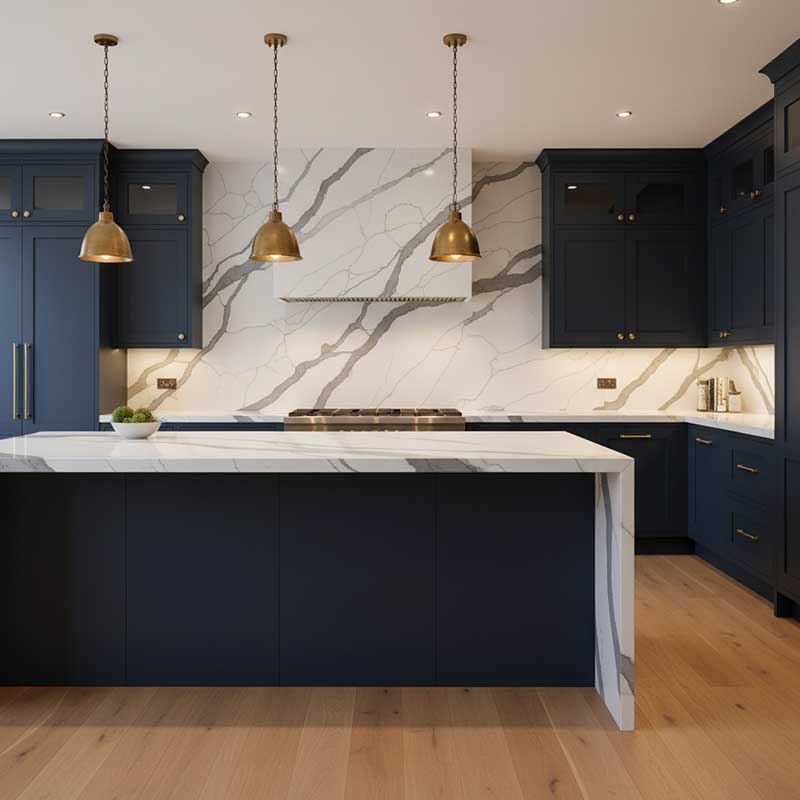
The full-height quartz backsplash — extending from the countertop surface all the way to the ceiling — has become one of the defining trends in contemporary kitchen design. When the backsplash and countertop are fabricated from the same quartz color and pattern, the visual continuity between horizontal and vertical surfaces creates an elegant, unified design statement that tile backsplashes simply cannot replicate.
For maximum visual impact, the most effective approach is to extend quartz from the countertop backsplash area to cover the entire wall behind a kitchen island or cooking zone, creating a floor-to-ceiling stone feature. Some designers take this further by wrapping the quartz around to adjacent walls or creating a continuous waterfall effect from countertop edge to backsplash to ceiling. Matching the kitchen countertop material to the wall cladding ensures perfect color and pattern cohesion.
6. Backlighting & Translucent Quartz Panels
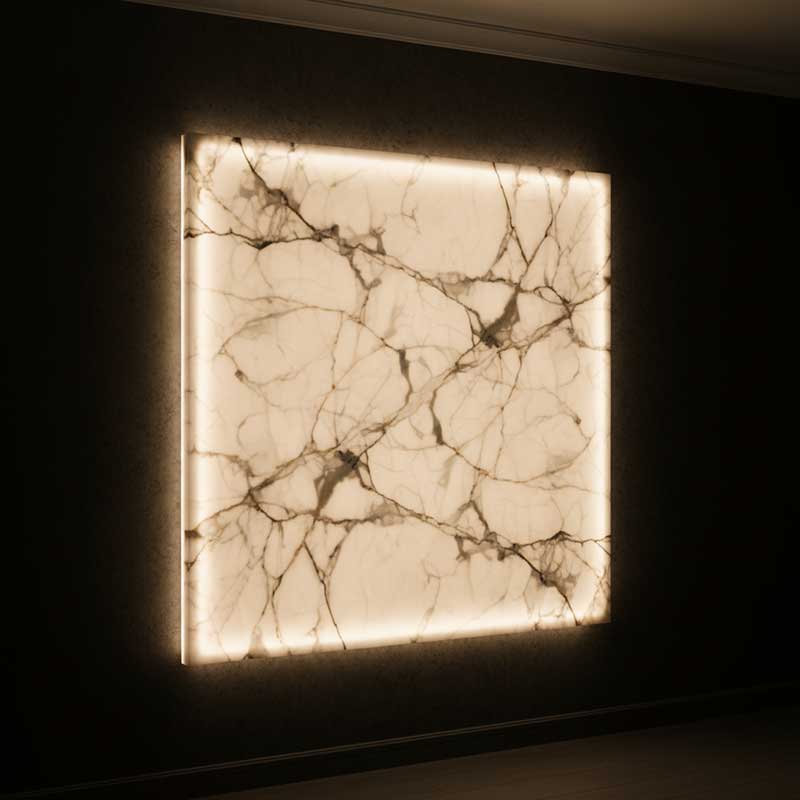
One of the most striking design possibilities with quartz wall cladding is backlighting — positioning LED light sources behind translucent or semi-translucent quartz panels to create a soft, ethereal glow that illuminates the veining pattern from within. This technique transforms a quartz wall from a static surface into a luminous design element that can shift mood and atmosphere throughout the day through programmable LED color and intensity control.
Backlighting works best with quartz formulations specifically engineered for light transmission. Standard quartz panels have relatively low translucency due to their high quartz crystal density and opaque pigmentation. However, several manufacturers (including our factory) produce special translucent quartz lines that use lighter aggregate densities, translucent resin formulations, and thinner profiles (typically 12mm) to achieve meaningful light transmission.
Technical Requirements for Backlighting
Successful backlighting installations require careful planning of the illumination layer behind the quartz panels. The LED light source must be positioned with sufficient gap (typically 80–120mm) between the LEDs and the back surface of the quartz to allow light to diffuse evenly across the panel. Without adequate gap, bright spots and uneven illumination ("hot spotting") will be visible through the translucent panel.
The most effective approach uses LED strip lights mounted on an aluminum channel frame within a light box constructed behind the wall plane. The interior of the light box should be finished with a matte white reflective surface to maximize light diffusion. High-CRI (Color Rendering Index above 90) LED strips are recommended for accurate color reproduction, and RGBW (Red, Green, Blue, Warm White) systems allow dynamic color changing for different moods and events.
7. Bathroom & Wet Area Wall Cladding
Bathrooms, shower enclosures, pool surrounds, and spa facilities represent one of the most technically demanding — and aesthetically rewarding — applications for quartz wall cladding. The material's near-zero water absorption, resistance to mold and mildew, and imperviousness to common bathroom chemicals (cleaners, shampoos, cosmetics, bleach) make it an ideal surface for wet environments where other materials would deteriorate over time.
Compared to traditional ceramic or porcelain tile installations, quartz wall cladding in bathrooms offers a dramatically different aesthetic. The elimination of grout lines (or reduction to minimal 2–3mm joints) creates a seamless, monolithic stone surface that feels more luxurious, is easier to clean, and avoids the mold and discoloration problems that plague tile grout in wet environments. For homeowners and hotel operators tired of scrubbing blackened grout lines in showers, quartz wall cladding solves the problem permanently.
Shower Enclosure Applications
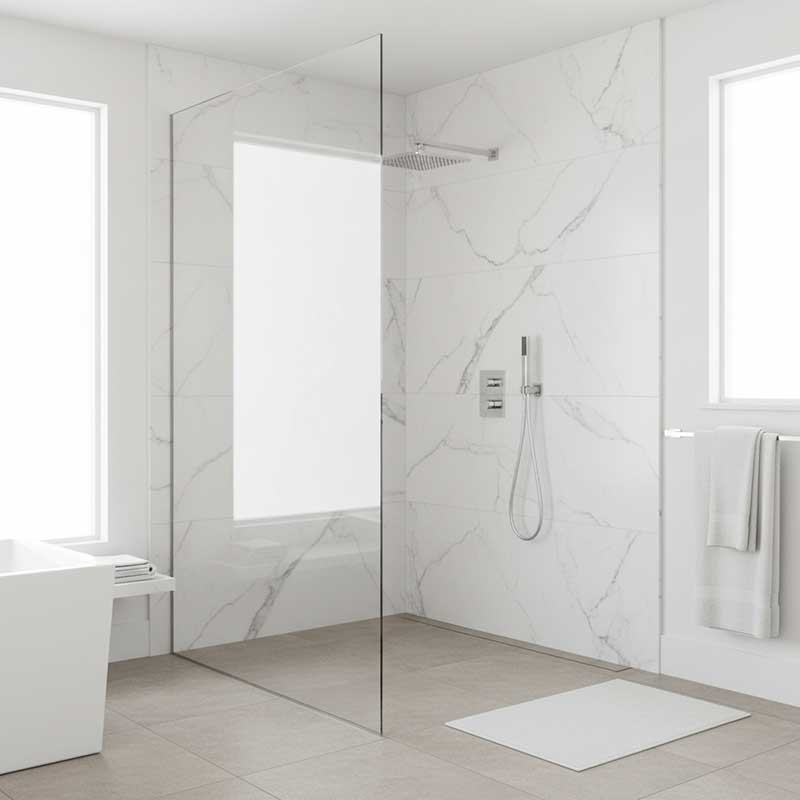
Full-height quartz panels within shower enclosures are becoming the gold standard in luxury bathroom design. The typical configuration involves three quartz-clad walls within a walk-in shower with a frameless glass partition on the fourth side. For this application, 12mm or 15mm panels are standard, and silicone sealant (color-matched, mold-resistant, FDA-grade) is used at all panel junctions and at the panel-to-tray/floor intersection.
It is critical that the silicone sealant specified for wet-area quartz installations is a high-quality, neutral-cure formulation rated for permanent water exposure. Acetic-cure (vinegar-smell) silicones should be avoided as they can cause discoloration at the quartz edge. European-standard sealants certified to ISO 11600 Class F 25 LM provide the flexibility and durability required for these demanding joints.
Swimming Pool & Spa Areas
Quartz wall cladding is increasingly specified for pool house walls, spa facility wet rooms, sauna anteroom walls, and indoor swimming pool perimeter walls. In these environments, the material's resistance to chlorine, salt, and humidity provides decades of maintenance-free performance. Unlike natural stone (which can absorb pool chemicals and develop surface discoloration) or painted walls (which peel and blister in humid pool environments), quartz cladding maintains its original appearance indefinitely.
For bathroom vanity top installations that integrate with wall cladding, using the same quartz color for both the vanity surface and the wall behind it creates a unified, cohesive design that maximizes the visual impact of the material.
8. Commercial & Corporate Applications
The commercial sector represents the largest and fastest-growing market segment for quartz wall cladding. Offices, retail stores, restaurants, medical facilities, educational institutions, and transportation hubs are all specifying quartz wall panels for their combination of visual sophistication, durability, hygiene, and low lifecycle maintenance costs.
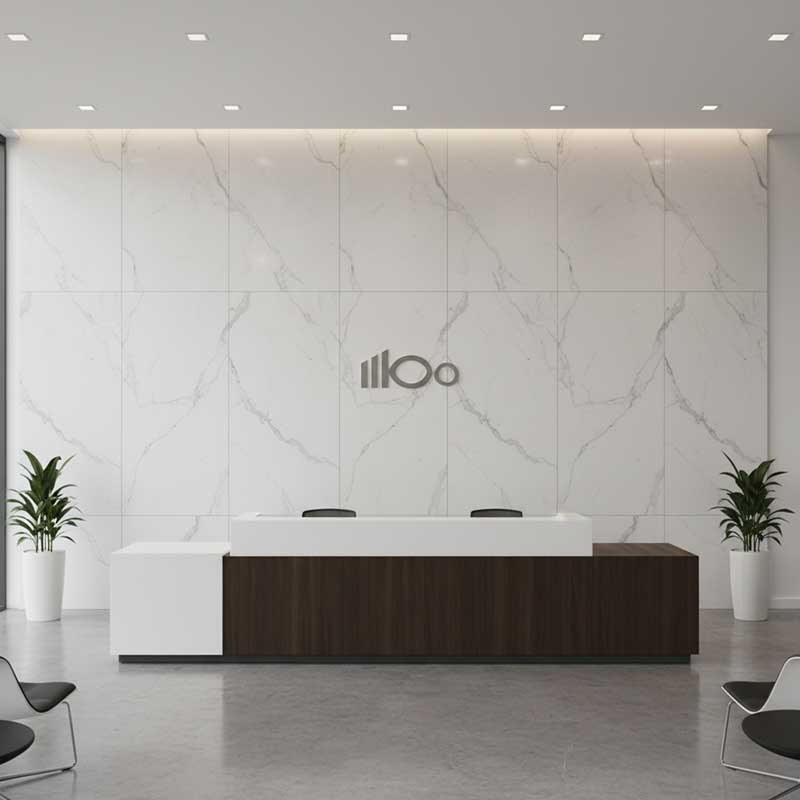
Corporate Office Reception & Lobbies
The corporate reception area is the first physical impression a company makes on clients, partners, and prospective employees. A quartz-clad reception wall immediately communicates quality, permanence, and attention to detail. Many corporate designers specify bookmatched quartz panels behind the reception desk with the company logo mounted directly on the stone surface — a configuration that creates a powerful brand statement.
For corporate applications, the 15mm thickness is typically specified for its superior impact resistance in high-traffic areas. The wall area directly behind a reception desk is subject to chair impacts, bag strikes, and general wear that thinner panels may not withstand over decades of daily use.
Retail & Restaurant Interiors
High-end retail environments (jewelry stores, luxury fashion boutiques, automotive showrooms) use quartz wall cladding to create clean, gallery-like backdrops that allow products to take center stage while still conveying premium brand positioning. In restaurant design, quartz wall cladding serves a dual purpose: it provides a sophisticated aesthetic while also meeting the stringent hygiene standards required in food service environments. The non-porous surface can be sanitized easily and does not harbor bacteria — a critical requirement that is well-documented by food safety organizations.
Healthcare & Medical Facilities
Hospitals, dental offices, medical clinics, and healthcare facilities are adopting quartz wall cladding for clinical areas, reception zones, and patient rooms. The material's non-porous, antimicrobial-compatible surface (which can be cleaned with hospital-grade disinfectants without damage) makes it superior to painted walls, wallpaper, or even ceramic tile in environments where infection control is paramount. For more information about quartz in commercial project applications, visit our dedicated guide.
9. Surface Finishes for Wall Applications
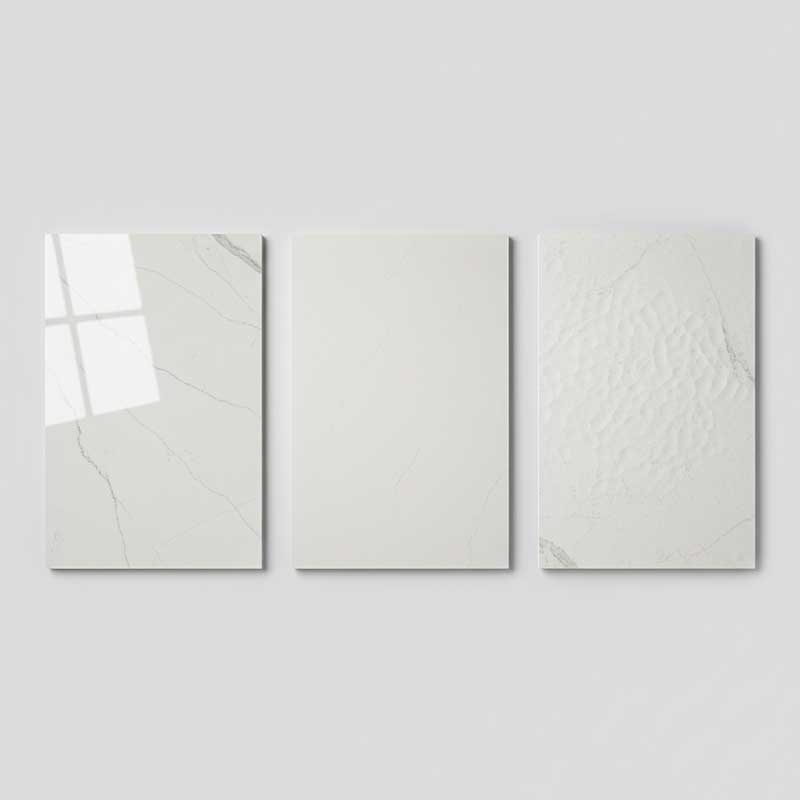
The surface finish of a quartz wall panel dramatically affects its visual appearance, tactile quality, and light interaction. Three primary finishes are available for wall cladding applications: polished, honed (matte), and leathered (textured). Each finish creates a distinctly different aesthetic and functional outcome.
Polished Finish
Polished quartz surfaces achieve a high-gloss, mirror-like reflectivity that maximizes color depth, vein contrast, and light reflection. On walls, polished quartz creates a luminous, almost wet appearance that adds perceived depth to spaces. It is the most popular finish for feature walls, hotel lobbies, and reception areas where visual drama is the primary objective. The polished surface also makes veining patterns appear more vivid and three-dimensional.
The primary consideration with polished walls is fingerprint visibility and glare. In areas where people frequently touch the wall surface (corridors, elevator lobbies), fingerprints may be visible on polished quartz and require regular wiping. In spaces with large windows or strong directional lighting, the reflective surface may produce glare that needs to be managed through lighting design.
Honed (Matte) Finish
Honed quartz surfaces have a smooth, flat finish with no reflectivity. This creates a softer, more contemporary aesthetic that is increasingly popular in minimalist and Scandinavian-inspired design. Honed walls absorb light rather than reflecting it, producing a calm, understated surface that works well for full-room cladding where a reflective surface would feel overwhelming. Fingerprints are virtually invisible on honed surfaces, making this finish ideal for high-traffic wall areas.
Leathered (Textured) Finish
The leathered finish adds a subtle surface texture — similar to the feel of worn leather — that catches light at varying angles and creates a tactile, organic quality. This finish is the least common for wall applications but is gaining popularity for feature walls where a unique, artisanal aesthetic is desired. The texture adds visual warmth and dimension that flat finishes cannot replicate.
| Finish | Light Reflection | Fingerprint Visibility | Best For | Design Style |
|---|---|---|---|---|
| Polished | High (mirror-like) | Visible | Feature walls, lobbies, living rooms | Luxurious, dramatic |
| Honed | None (matte) | Minimal | Bathrooms, full-room cladding, corridors | Contemporary, minimalist |
| Leathered | Low (diffused) | None | Accent walls, textured feature panels | Organic, artisanal |
10. Installation Methods
Proper installation is the single most critical factor in the long-term performance and safety of quartz wall cladding. Unlike horizontal countertop installations where gravity assists in keeping the material in place, vertical installations must actively resist gravitational pull while maintaining perfect alignment across multiple panels, creating joints that remain sealed, and ensuring the entire system can withstand building movement, thermal cycling, and potential seismic loading.
Substrate Preparation
The quality of the wall substrate directly determines the success of the cladding installation. All substrates must be structurally sound, dimensionally flat (within 3mm over 2 meters), dry, clean, and free of dust, oils, or release agents. For new construction, concrete and masonry walls should be fully cured (minimum 28 days for concrete) before cladding installation begins. Existing wall finishes (paint, wallpaper, plaster) must be removed entirely — adhesive bonding to these intermediate layers is structurally unreliable.
For drywall (gypsum board) substrates, standard 12.5mm drywall is adequate for 12mm quartz panels up to 1200mm × 600mm when the drywall is securely fixed to studs at maximum 400mm centers. For larger panels, cement board (fiber cement or similar) should replace drywall to provide a more rigid and moisture-resistant substrate.
Method 1: Adhesive-Only Installation
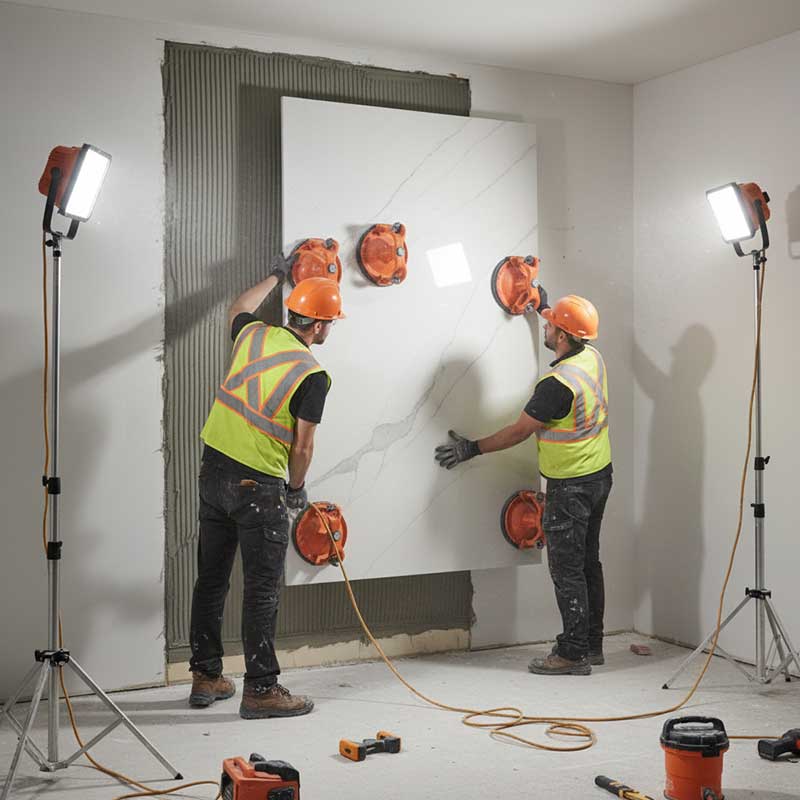
For 12mm quartz panels on solid, well-prepared substrates, high-strength adhesive-only installation is the simplest and most cost-effective method. The process involves applying flexible stone adhesive (polymer-modified thin-set mortar or specialized panel bonding adhesive) to both the wall substrate and the panel back using a 6mm × 6mm notched trowel. This dual-application ("back-buttering") technique ensures maximum adhesive contact coverage — a minimum 85% coverage is required for vertical panel installations.
After adhesive application, the panel is carefully positioned using suction cup lifters (minimum two operators for panels larger than 0.5m²), aligned to reference lines, and pressed firmly into position. Temporary bracing — typically timber battens or adjustable wall props — holds the panel in position until the adhesive achieves initial set (typically 4–8 hours depending on temperature and humidity) and full cure (24–48 hours).
Method 2: Mechanical Fixing + Adhesive (Recommended for Large Panels)
For panels larger than 1200mm × 600mm, or in high-traffic commercial environments, a combined mechanical fixing and adhesive system provides the highest safety margin. This dual approach uses mechanical fixings (stainless steel Z-clips, undercut anchors, or channel rail systems) to support the panel weight through physical connection to the wall structure, while adhesive provides additional bond strength and prevents panel vibration or "drumming."
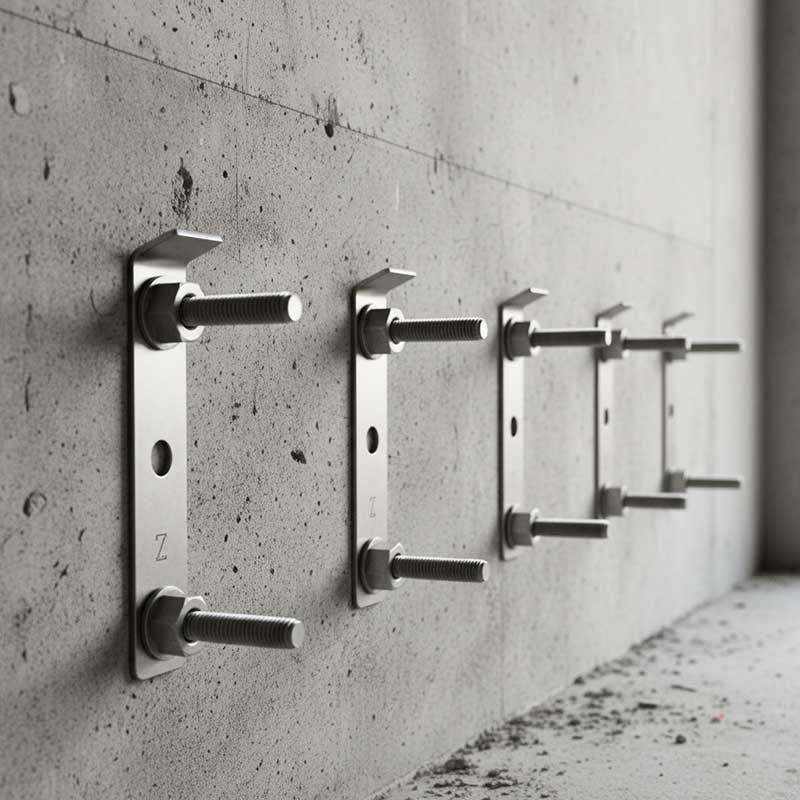
The most common mechanical fixing configuration uses stainless steel (grade 316 for humid environments) Z-clips at the top and bottom edges of each panel. The lower clips provide a bearing shelf that supports the panel's dead weight, while the upper clips prevent outward tilting. Additional intermediate clips may be required for panels taller than 1500mm. All fixings must be anchored into the structural wall (not just into cladding substrates like drywall) using expansion anchors rated for the required pullout load with appropriate safety factors.
Method 3: Ventilated Facade System
For the most demanding commercial installations — particularly in new-build commercial buildings — a ventilated facade (or "rainscreen") system provides the ultimate performance solution. This system creates an air cavity between the structural wall and the quartz cladding panel, allowing moisture drainage and air circulation that prevents condensation and moisture entrapment. The quartz panels are mounted on an aluminum or stainless steel sub-frame using proprietary panel clamp or undercut anchor systems.
Ventilated facade systems are typically specified by architects and facade consultants for large commercial projects and are installed by specialist facade contractors. While the most expensive installation method, they provide the best long-term performance in challenging environments and are standard practice in many European and Asian commercial construction markets.
| Installation Method | Panel Size Limit | Substrate Requirements | Cost Level | Recommended For |
|---|---|---|---|---|
| Adhesive Only | Up to 1200 × 600mm | Concrete, cement board, reinforced drywall | Lower | Residential, small feature walls, backsplashes |
| Mechanical + Adhesive | Up to 3200 × 1600mm | Concrete, masonry, steel frame | Moderate | Commercial, hotel, large feature walls |
| Ventilated Facade | Custom (project-specific) | Any structural wall with sub-frame | Higher | Large commercial, institutional, high-performance facades |
Joint Treatment & Sealing
Joints between adjacent quartz wall panels should be minimized in width (2–3mm is the standard range) and filled with color-matched sealant. For most wall cladding joints, a high-quality polyurethane or hybrid polymer sealant provides the best combination of flexibility, adhesion, and color stability. Silicone sealant is the preferred choice for wet-area joints (bathrooms, showers, pool areas) due to its superior water resistance and mold resistance.
For bookmatched installations where visual continuity across the joint line is paramount, precision panel cutting and narrow joint widths (2mm or less) are essential. Some specialist installers achieve virtually "seamless" joints by mitering panel edges at 45° and bonding them with transparent epoxy adhesive, creating an almost invisible joint that allows veining to flow uninterrupted between panels.
11. Weight & Structural Engineering Considerations
Understanding the weight implications of quartz wall cladding is essential for architects, structural engineers, and building contractors. Unlike decorative wall coverings (paint, wallpaper, thin veneers) that add negligible load to wall structures, quartz cladding represents a significant additional dead load that must be accounted for in structural design calculations.
| Thickness | Weight per m² | Weight for 3m × 3m Wall (9m²) | Minimum Substrate Requirement |
|---|---|---|---|
| 12mm | ~30 kg/m² | ~270 kg | Standard reinforced plasterboard or concrete |
| 15mm | ~37.5 kg/m² | ~337 kg | Concrete, masonry, or cement board |
| 20mm | ~50 kg/m² | ~450 kg | Concrete or masonry with mechanical fixing |
To put these figures in context, a typical 3m high × 3m wide feature wall clad with 12mm quartz will add approximately 270 kg of dead load to the wall structure and its supporting elements. This load is transferred through the fixing system (adhesive, mechanical clips, or sub-frame) to the wall substrate, which in turn transfers it to the building's structural frame via floor slabs and/or wall studs.
For new-build projects, these loads are straightforward to accommodate in the structural design phase. For renovation or retrofit projects, however, existing wall structures may not have been designed to support the additional cladding weight. This is particularly common in older buildings with lightweight stud-wall partitions, deteriorated masonry, or floor slabs with limited additional load capacity.
Load Transfer Strategies for Renovation Projects
When existing wall substrates cannot support full quartz cladding weight through adhesive bond alone, several load transfer strategies can be employed. The most common approach involves installing a steel or aluminum sub-frame that is anchored to the floor slab (below) and ceiling slab (above), bypassing the wall substrate entirely as the primary load-bearing element. The quartz panels are then mounted to this sub-frame using mechanical fixings, and the gap between panels and wall is used for services routing, insulation, or LED backlighting installation.
An alternative approach for moderate retrofit situations involves adding supplementary timber or steel studs to the existing wall, increasing its load capacity to support the additional cladding weight. This method is common in hotel renovation projects where wall structures need reinforcement but complete sub-frame systems are cost-prohibitive.
12. Maintenance & Long-Term Care
One of the most compelling advantages of quartz wall cladding over natural stone, tile, or painted wall surfaces is its exceptionally low maintenance requirements. A properly installed quartz wall will maintain its original appearance for decades with minimal intervention — a characteristic that translates to significant lifecycle cost savings, particularly in commercial environments where maintenance labor and materials represent substantial ongoing expenses.
Routine Cleaning
Day-to-day cleaning of quartz wall surfaces requires nothing more than a soft microfiber cloth dampened with warm water. For more thorough cleaning (removing fingerprints, light splashes, or dust accumulation), a mild household cleaning solution (pH-neutral, non-abrasive) applied with a soft cloth is fully sufficient. There is no need for specialized stone cleaners, sealers, or protective coatings — unlike natural marble walls, which require professional sealing every 12–24 months and specific pH-balanced marble cleaners to prevent etching.
Stain Removal
In the unlikely event of stubborn staining (markers, ink, adhesive residue, or concentrated colorants), a non-abrasive cream cleanser or isopropyl alcohol applied with a soft cloth will remove most substances without affecting the quartz surface. Abrasive cleaners, scouring pads, and steel wool should never be used on polished quartz surfaces, as they can create micro-scratches that dull the finish. For honed or leathered finishes, slightly more aggressive cleaning techniques are acceptable due to the already non-reflective surface texture.
Avoiding Damage
While quartz is highly durable, it is not indestructible. Sharp impacts from hard objects (dropped tools during construction, metal furniture strikes) can chip or crack the surface. In commercial environments, consider installing corner protectors at vulnerable external corners during the construction phase and removing them only at project handover. UV exposure through large windows can potentially cause gradual color shifting in some quartz colors over many years — for walls receiving extended direct sunlight, discuss UV-stable color options with your supplier.
13. Cost & ROI Analysis
Quartz wall cladding represents a premium investment compared to paint, wallpaper, or ceramic tile wall finishes. However, a comprehensive lifecycle cost analysis reveals that quartz cladding frequently delivers superior return on investment (ROI) over a 15–25 year building lifecycle — particularly in commercial environments where appearance maintenance and material replacement costs are factored into the calculation.
Initial Cost Breakdown
The total installed cost of quartz wall cladding comprises three main components: material cost (the quartz panels themselves), fabrication cost (cutting, edge profiling, and surface preparation at the local fabrication shop), and installation cost (labor, adhesive, fixings, and scaffolding/access equipment). Material costs vary significantly based on quartz color/design, thickness, and order quantity. As a general guideline for B2B wholesale pricing from China manufacturers, 12mm quartz wall panels typically range from $25–$65 USD per square meter (FOB China) depending on the design complexity, while premium bookmatched panels with custom veining may command $70–$120 per square meter.
Fabrication and installation costs are local market-dependent and typically add 50–150% to the material cost depending on installation complexity, access conditions, and local labor rates. A complete installed cost of $150–$350 per square meter (including material, fabrication, and installation) is typical for most global markets.
Lifecycle Cost Comparison
| Wall Finish | Initial Cost (per m²) | Annual Maintenance (per m²) | Replacement Cycle | 20-Year Total Cost (per m²) |
|---|---|---|---|---|
| Quartz Cladding | $150–$350 | $1–$3 | 25+ years (no replacement) | $170–$410 |
| Natural Marble | $200–$500 | $10–$25 | 15–20 years (restoration needed) | $400–$1,000 |
| Premium Tile | $80–$200 | $5–$15 | 10–15 years (regrout/replace) | $260–$600 |
| Premium Paint | $15–$40 | $8–$20 (repainting) | 3–5 years | $175–$440 |
As the lifecycle cost comparison demonstrates, quartz wall cladding becomes increasingly cost-competitive over time. The "install once, maintain never" characteristic of quartz means that while the initial capital expenditure is higher than paint or tile alternatives, the cumulative total cost of ownership over a 20-year building lifecycle is often comparable or lower — while delivering a significantly superior aesthetic result throughout the entire period.
14. Sustainability & Environmental Considerations
As sustainability becomes an increasingly important criterion in material specification, the environmental profile of quartz wall cladding merits careful consideration. Engineered quartz performs favorably across several key sustainability metrics, though it is not without environmental trade-offs that specifiers should understand.
LEED & Green Building Contributions
Quartz wall cladding can contribute to LEED (Leadership in Energy and Environmental Design) certification credits in several categories. The material's extreme durability and long replacement cycle contribute to Material & Resources credits by reducing construction waste over the building's lifetime. Low-VOC (Volatile Organic Compound) quartz formulations are available that meet Indoor Environmental Quality requirements for healthy indoor air. Additionally, some quartz manufacturers offer products with recycled content (post-consumer glass, mirror, or ceramic content incorporated into the quartz composite), which can contribute to recycled content credits.
Raw Material & Manufacturing Considerations
The primary raw material — natural quartz — is one of the most abundant minerals on Earth, and quartz mining has a relatively low environmental impact compared to the deep quarrying required for marble and granite extraction. The resin binder component (typically 6–10% of the product by weight) is a petroleum-derived polymer, representing the primary non-renewable input in the manufacturing process. However, this small percentage of resin enables the creation of a material that is significantly more durable and longer-lasting than many alternatives, resulting in a favorable environmental impact when assessed over the full product lifecycle.
Modern quartz manufacturing facilities employ closed-loop water recycling systems, dust extraction with filtration, and energy-efficient kiln systems that minimize the environmental footprint of the production process. The Breton compaction process itself is relatively energy-efficient compared to the energy required to quarry, transport, and process equivalent volumes of natural stone from the world's marble and granite quarries.
Silica Dust Safety in Fabrication
An important environmental and occupational health consideration is silica dust generation during quartz fabrication (cutting, grinding, and polishing). Crystalline silica dust, when inhaled in sufficient quantities over extended periods, is associated with the serious lung disease silicosis. This is a fabrication-stage concern (not an end-user concern — installed quartz panels pose no silica dust risk to building occupants) that must be managed through proper engineering controls at the fabrication shop: wet cutting processes, dust extraction systems, respiratory protective equipment, and compliance with local occupational health regulations. Organizations such as OSHA (Occupational Safety and Health Administration) in the United States have established permissible exposure limits for respirable crystalline silica that fabrication shops must comply with.
15. Wholesale Ordering Guide
Ordering quartz specifically for wall cladding applications requires different considerations compared to standard countertop slab orders. Proper planning at the ordering stage ensures correct quantities, pattern matching, fabrication readiness, and minimal material waste.
Essential Information to Provide
When requesting a quotation for wall cladding quartz, providing comprehensive project information upfront enables accurate pricing and manufacturing planning. The critical information includes wall elevation drawings with exact dimensions (in millimeters), specifying the total area to be clad and the dimensions of each wall section individually. Vein direction preference (horizontal, vertical, or diagonal) should be clearly stated, as this affects slab production orientation. If bookmatching is required, this must be specified along with the axis of symmetry on each wall elevation.
Joint locations should be marked on the elevation drawings — ideally, joints should align with architectural features (window edges, door frames, column positions, change of wall plane) rather than appearing randomly across the wall surface. The surface finish (polished, honed, or leathered), thickness (12mm, 15mm, or 20mm), and edge treatment requirements (polished visible edges versus concealed edges) should all be specified. Finally, the delivery timeline, shipping terms (FOB, CIF, DDP), and destination port or address should be provided for accurate logistics quotation.
✅ Preferred quartz color/pattern with approved sample reference
✅ Thickness specification (12mm, 15mm, or 20mm)
✅ Surface finish (polished, honed, or leathered)
✅ Vein direction (horizontal, vertical, or diagonal) for each wall
✅ Bookmatching requirements with symmetry axis marked
✅ Joint locations and preferred joint width (2mm or 3mm)
✅ Edge treatment (polished, pencil round, or raw/concealed)
✅ Total quantity (m²) plus 10–15% overage allowance
✅ Delivery timeline and shipping terms (FOB/CIF/DDP)
✅ Destination port or delivery address
Pricing Factors Specific to Wall Cladding
Wall cladding orders often involve pricing variables not present in standard slab orders. Custom slab sizing (cutting slabs to specific panel dimensions at the factory) adds processing cost but reduces fabrication waste and ensures cleaner panel edges. Bookmatching production requires more careful manufacturing sequencing and quality grading, commanding a premium of approximately 15–25% over standard slab pricing. Volume discounts apply for projects requiring 100+ m² of wall cladding material, and multi-project framework agreements can be negotiated for developers and hotel chains with ongoing quartz specification across multiple properties.
Quantity Calculation & Waste Allowance
When calculating the quantity of quartz needed for a wall cladding project, always add a waste and contingency allowance of 10–15% beyond the net wall area. This allowance accounts for cutting waste (particularly for non-rectangular wall sections, window cutouts, and door openings), breakage during transport and handling, and fabrication errors. For complex wall layouts with many cutouts, a 15% allowance is prudent; for simple rectangular walls, 10% is typically sufficient.
It is strongly recommended to order all material for a wall cladding project in a single production batch to ensure perfect color and pattern consistency across all panels. Quartz produced in different batches may exhibit subtle color variations that are imperceptible on individual panels but noticeable when installed side-by-side on the same wall.
Related Articles
Need Quartz Wall Cladding for Your Project?
Send us your wall elevation drawings and we'll provide a detailed quotation with CIF pricing, bookmatching options, and complimentary material samples.