
1. Understanding Quartz Composition & Why Climate Matters
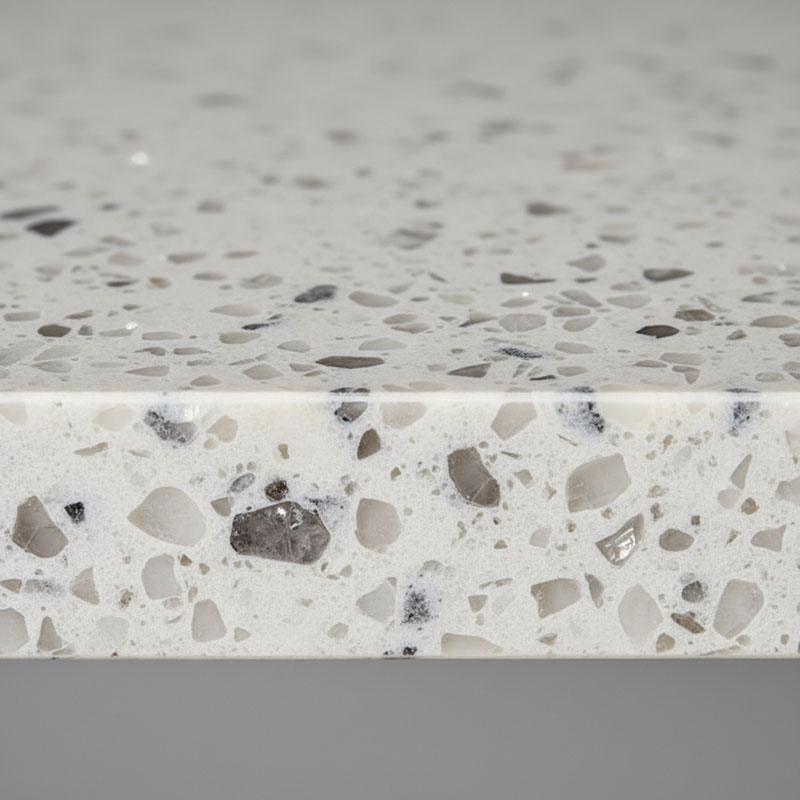
Before examining how different climates affect engineered quartz stone, it is essential to understand the material's internal composition and the distinct roles each component plays in determining environmental performance. Engineered quartz — also referred to as agglomerated stone or quartz composite — is manufactured through a high-pressure vacuum vibro-compression process originally developed by Breton S.p.A. of Italy in the 1960s. This process fuses crushed natural quartz crystals with a polymer resin binder and various additives to produce a dense, non-porous slab material used primarily for countertops, vanity tops, wall cladding, and flooring.
The typical composition of a high-quality engineered quartz slab is approximately 90–94% ground natural quartz (silicon dioxide, SiO₂) by weight, combined with 6–10% polymer resin binder — most commonly unsaturated polyester (UPE) resin, though some premium manufacturers use acrylic-based or hybrid resin systems. The remaining fraction consists of inorganic pigments (metal oxides such as titanium dioxide, iron oxide, and chromium oxide) used to achieve specific colors and patterns, along with performance additives including UV stabilizers, coupling agents, and antimicrobial compounds.
Each of these components responds differently to environmental stressors. The natural quartz aggregate is extraordinarily durable: with a Mohs hardness of 7, a melting point above 1700°C, near-total chemical inertness, and zero water absorption, the quartz particles themselves are virtually immune to any climate condition found on Earth. The resin binder, however, is the climate-sensitive component. Polymer resins are organic compounds whose molecular chains can be disrupted by sustained ultraviolet radiation, degraded by extreme heat, and weakened by certain aggressive chemicals. The pigments fall somewhere in between — mineral-based pigments (metal oxides) are highly stable, while organic dyes used in some bright color formulations are more vulnerable to UV-induced fading.
Understanding this compositional hierarchy is critical for B2B buyers, architects, and distributors operating in diverse climate zones. The practical performance of engineered quartz in any given environment is governed not by the quartz aggregate, but by the quality and formulation of the resin system and the pigment chemistry. This is why two quartz slabs that appear visually identical may perform very differently under the same climate conditions if they are manufactured with different resin technologies or pigment systems. The sections that follow examine each climate factor in detail and provide data-driven guidance for sourcing decisions.
2. Thermal Performance: Heat Resistance & Thermal Expansion
Thermal performance is a multifaceted property that encompasses heat resistance (the maximum temperature a material can tolerate without damage), thermal expansion (how much a material changes in size with temperature fluctuations), thermal conductivity (how quickly heat transfers through the material), and thermal shock resistance (the ability to withstand rapid temperature changes). For B2B buyers sourcing engineered quartz for global markets, each of these sub-properties has practical implications depending on the climate zone of the end installation.
Maximum Heat Tolerance
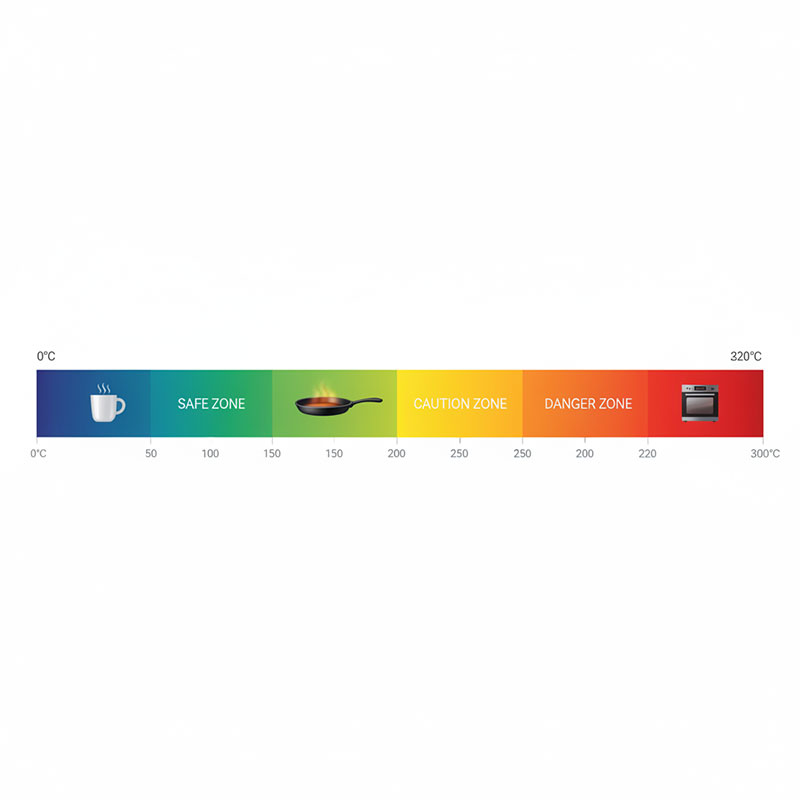
The heat resistance of engineered quartz is governed almost entirely by the polymer resin binder. While the quartz aggregate can withstand temperatures far exceeding any kitchen or architectural scenario, the UPE resin begins to undergo molecular changes at relatively modest temperatures. At approximately 150°C (302°F), standard unsaturated polyester resin enters a softening zone where its cross-linked polymer chains begin to lose rigidity. Between 150°C and 180°C (302–356°F), the resin may develop slight discoloration — often a yellowish or brownish tint — that is difficult or impossible to reverse. Above 180°C (356°F), the resin can scorch, crack, or delaminate from the surrounding quartz aggregate, creating visible damage in the form of white marks, cloudy spots, or surface pitting.
It is important to note that these thresholds refer to the temperature at the surface-resin interface, not the ambient air temperature. Even in the hottest climates on Earth — where ambient air temperatures can reach 50–55°C (122–131°F) in regions such as Kuwait, Iraq, and Death Valley — the quartz surface temperature remains far below the damage threshold for indoor applications. Direct sunlight on a dark-colored quartz surface can raise the surface temperature to approximately 70–80°C (158–176°F), which is still within the safe operating range. The primary thermal risk in any climate zone comes from direct contact with hot cookware, which can reach 200–350°C (392–662°F), and open flames.
Coefficient of Thermal Expansion (CTE)
The coefficient of thermal expansion describes how much a material expands or contracts per unit length for every degree of temperature change. This property is critically important for large-format installations, outdoor or semi-outdoor applications, and any environment with significant temperature swings. Engineered quartz has a CTE of approximately 2.3–3.0 × 10⁻⁵ per °C, as documented in testing conforming to ASTM E228 and EN 14617-11 standards for agglomerated stone. To put this in context, a standard 3-meter (approximately 10-foot) quartz countertop experiencing a 30°C temperature swing (common in desert climates between night and midday, or in seasonally unheated buildings) would experience linear expansion of approximately 2.1–2.7mm.
For indoor installations with climate-controlled environments — which represent the vast majority of quartz applications globally — this expansion is negligible and is absorbed by the standard 3–5mm perimeter gap left between the slab and the wall during installation. However, for semi-outdoor applications such as covered patios, outdoor kitchens, or installations in buildings without air conditioning (common in developing markets), the CTE becomes a genuine engineering consideration. Without adequate expansion gaps, thermal cycling can cause buckling at seams, cracking at corner cutouts (such as sink openings), or delamination from the substrate.
Thermal Conductivity & Perceived Temperature
Engineered quartz has a thermal conductivity of approximately 2.0–3.5 W/(m·K), which is lower than natural granite (2.5–3.8 W/(m·K)) but higher than solid surface materials like Corian (0.5–1.0 W/(m·K)). This moderate thermal conductivity gives quartz a distinctive "cool to the touch" feel that many consumers find pleasant. In hot climate markets — particularly the Middle East, South and Southeast Asia, and tropical Latin America — this tactile coolness is a genuine selling benefit that should be highlighted in marketing materials. In cold climate markets, the same property can feel uncomfortably cold in winter, which is worth noting for heated flooring applications where quartz tiles may be considered.
Thermal Shock Resistance
Thermal shock occurs when a material experiences a sudden, extreme temperature change — for example, placing a pot of boiling water directly onto a cold quartz surface, or moving a hot pan from a stove onto a countertop. Engineered quartz generally has good thermal shock resistance for temperature differentials up to approximately 100°C. This is actually superior to natural marble, which is notoriously prone to thermal shock cracking due to its calcite crystal structure, and comparable to most granites. However, repeated thermal shock events at the same location can create micro-fractures in the resin matrix that accumulate over time, eventually leading to visible cracking. This is why the use of trivets and hot pads is universally recommended regardless of climate zone.
| Thermal Property | Engineered Quartz | Granite | Marble | Porcelain Slab |
|---|---|---|---|---|
| Safe Continuous Temperature | Up to ~150°C | Up to ~300°C+ | Up to ~200°C | Up to ~1000°C+ |
| CTE (×10⁻⁵ per °C) | 2.3–3.0 | 0.7–1.3 | 0.7–1.0 | 0.6–0.8 |
| Thermal Conductivity W/(m·K) | 2.0–3.5 | 2.5–3.8 | 2.0–3.0 | 1.5–2.5 |
| Thermal Shock Resistance | Good (ΔT ~100°C) | Moderate | Poor | Excellent |
| Scorch/Burn Resistance | Good to 150°C | Excellent | Good | Excellent |
When sourcing quartz for distribution in the Middle East, South Asia, or tropical regions, always ensure that your end-user care documentation includes clear guidance on using trivets and hot pads. While ambient heat in these regions does not threaten quartz, the cumulative thermal load — hot ambient air combined with hot cookware — creates a higher baseline surface temperature that reduces the remaining margin before the resin's critical threshold is reached. Including a branded hot pad or trivet set with each countertop sale is a cost-effective way to reduce warranty claims and differentiate your offering.
3. UV Resistance & Color Stability
Ultraviolet radiation is the single most significant environmental factor limiting the application scope of engineered quartz stone. While quartz surfaces excel in nearly every other performance category — outperforming natural stone in moisture resistance, consistency, hygiene, and maintenance — UV vulnerability remains the primary reason that virtually all quartz manufacturers restrict their product warranties to indoor use. Understanding the mechanism of UV degradation, the variables that influence its severity, and the available mitigation strategies is essential knowledge for any B2B buyer operating in high-UV markets.
The Mechanism of UV Degradation
UV degradation in engineered quartz occurs through a photochemical process called photo-oxidation. When ultraviolet photons — particularly UV-A (315–400nm) and UV-B (280–315nm) wavelengths — penetrate the quartz surface, they have sufficient energy to break the carbon-carbon and carbon-oxygen bonds in the polymer resin's molecular chains. This bond-breaking process, known as chain scission, generates free radicals that react with atmospheric oxygen to form carbonyl groups and other oxidation products. The visible result of this molecular degradation is yellowing of the resin (due to the formation of chromophoric molecular structures), loss of surface gloss, and in severe cases, surface chalking or micro-cracking.
Simultaneously, UV radiation attacks the pigment molecules dispersed throughout the resin matrix. Mineral-based pigments (metal oxides) are generally UV-stable because their color derives from electronic transitions within the crystal lattice of the metal oxide, not from organic molecular structures. Organic pigments — which are necessary for achieving certain bright, saturated colors — are far more vulnerable because their color-producing molecular bonds (conjugated double bonds in azo, phthalocyanine, or quinacridone structures) can be directly broken by UV photons, leading to fading or color shifting.
Color-Specific Vulnerability Analysis
Not all quartz colors carry the same UV risk, and understanding this spectrum of vulnerability allows buyers to make smarter product recommendations for high-UV markets. Pure white and near-white quartz with high concentrations of titanium dioxide (TiO₂) pigment actually has a built-in defense mechanism: TiO₂ is one of the most effective UV-blocking and UV-reflecting compounds known, which is why it is the active ingredient in most physical sunscreens. However, even in white quartz, the resin binder surrounding the TiO₂ particles can yellow over years of UV exposure, creating a noticeable "warm shift" in what was originally a cool-white surface. Premium manufacturers mitigate this by incorporating Hindered Amine Light Stabilizers (HALS) and UV absorbers (benzotriazole or benzophenone-type compounds) into their resin formulations.
Dark colors — blacks, deep charcoals, and dark browns pigmented with carbon black, iron oxide, or manganese dioxide — tend to exhibit the best long-term UV color stability. The dense concentration of opaque, UV-stable mineral pigments effectively shields the underlying resin from UV penetration, acting as an internal sunscreen. Any subtle yellowing of the resin is masked by the dominant dark pigmentation. For outdoor-adjacent or high-UV installations, dark mineral-pigmented quartz is the safest color choice.
Calacatta and marble-look patterns, which represent the dominant design trend globally since 2018, present a moderate UV risk. The white or off-white background is typically pigmented with TiO₂ (relatively stable), but the fine veining details — which create the realistic marble appearance — are achieved using a combination of mineral and organic pigments at low concentrations. Over extended UV exposure, the veining may fade, shift in tone, or lose definition relative to the background, subtly altering the aesthetic balance that makes these patterns desirable. This degradation is particularly noticeable in warm-toned Calacatta patterns with gold or honey-colored veins.
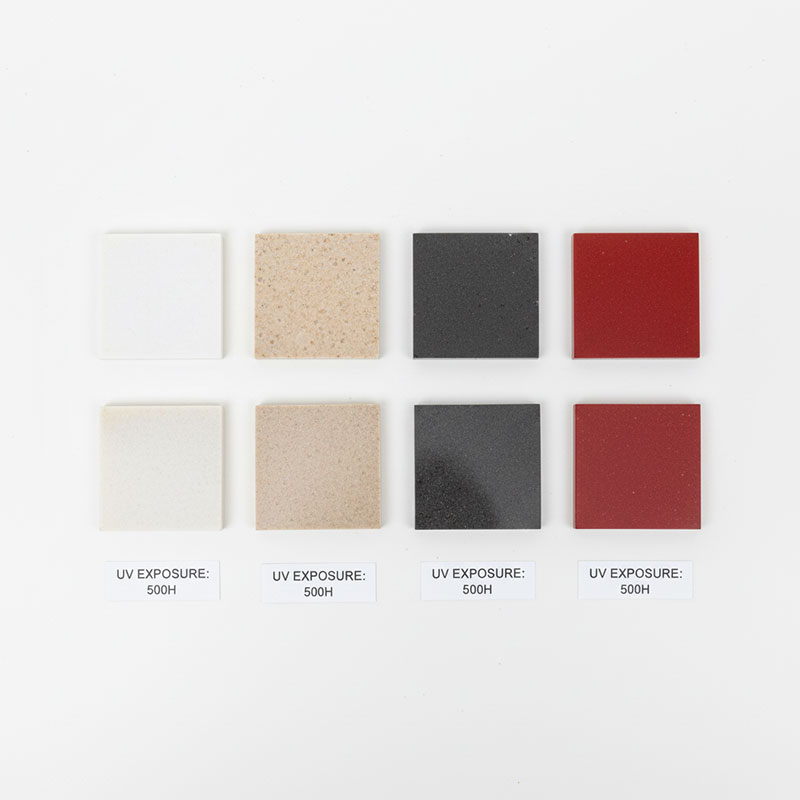
Bright, saturated colors — vivid reds, electric blues, bright greens, and strong yellows — carry the highest UV risk. These colors rely heavily on organic pigments (azo reds, phthalocyanine blues, monoazo yellows) whose molecular structures are inherently UV-sensitive. In high-UV environments, visible fading can occur within 2–3 years of continuous exposure, making these colors unsuitable for any installation receiving direct sunlight.
Accelerated UV Testing Standards
When evaluating quartz products for UV-sensitive applications, B2B buyers should request accelerated UV weathering test data from their suppliers. The most relevant test standards are ASTM G154 (Standard Practice for Operating Fluorescent Ultraviolet Lamp Apparatus for Exposure of Materials) and ASTM G155 (Standard Practice for Operating Xenon Arc Light Apparatus for Exposure of Materials). In a typical ASTM G154 test using Cycle 1 (UV-A 340nm lamps), 500 hours of exposure roughly simulates 1 year of outdoor UV exposure in a subtropical location, while 2000 hours approximates 4 years. Well-formulated quartz with UV stabilizers should show a color change (ΔE) of less than 2.0 units (barely perceptible to the naked eye) after 1000 hours of UV-A exposure. Products showing ΔE values above 3.0 at 1000 hours should be restricted to indoor-only applications away from direct sunlight.
Practical UV Exposure Categories
For practical sourcing decisions, it is helpful to classify installations into three UV exposure tiers. The first tier — no direct UV exposure — includes interior bathrooms, interior kitchens without skylights, basement installations, commercial spaces in building cores, and any room where quartz surfaces do not receive direct natural sunlight. These installations carry zero UV risk, and any quartz color or pattern can be specified without concern. The second tier — moderate UV exposure — includes rooms with windows that admit direct sunlight for part of the day, such as kitchen countertops positioned beneath or near windows, reception desks near glass curtain walls, and retail display surfaces. In these installations, UV degradation is possible over a 5–15 year timeframe depending on the intensity and duration of daily sun exposure. Mitigation strategies include Low-E window glass (which blocks 70–95% of UV radiation), aftermarket window UV film, and positioning the quartz surface outside the direct sunlight path. The third tier — high UV exposure — includes sunrooms, conservatories, uncovered outdoor installations, and any surface receiving all-day direct sunlight. These applications carry significant UV risk and generally require either a UV-optimized quartz formulation or an alternative material such as sintered stone (large-format porcelain), natural granite, or dekton.
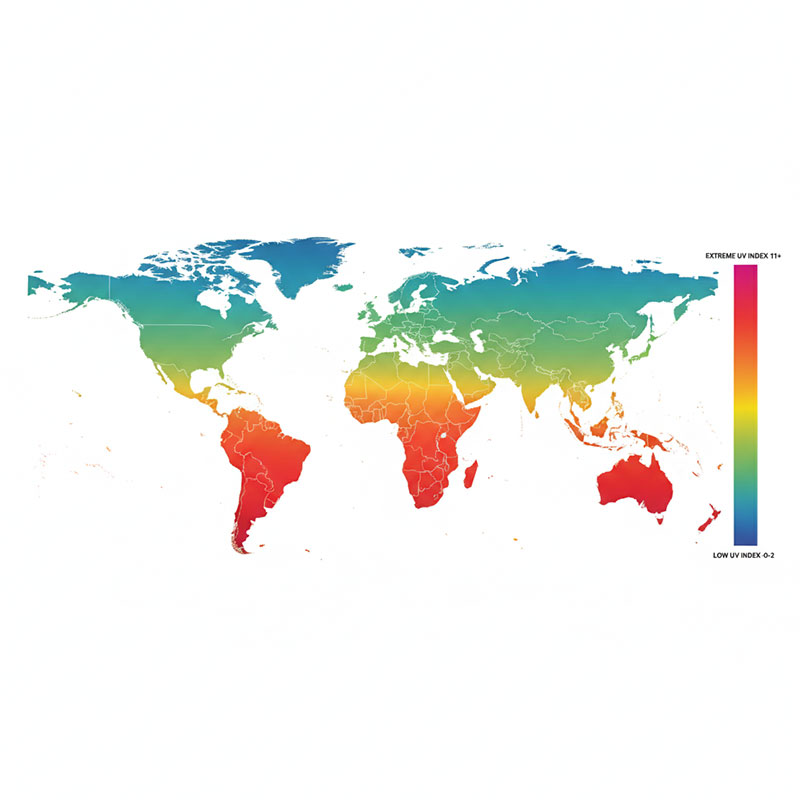
In regions near the equator (Brazil, Colombia, Ecuador, Kenya, Indonesia, Saudi Arabia, UAE) and at high altitudes (Mexico City, Bogotá, Addis Ababa, Kunming), UV index values regularly reach 11–14, classified as "extreme" by the World Health Organization. UV intensity at altitude increases approximately 10–12% per 1000 meters of elevation. If your customers plan to install quartz near large windows, in atriums, or in semi-outdoor spaces in these regions, strongly recommend UV-protective window film, dark or mineral-pigmented colors, and document all UV-related advice in your sales contracts to proactively manage warranty expectations.
4. Humidity & Moisture Resistance
Moisture resistance is one of the most compelling performance advantages that engineered quartz holds over natural stone, and it is the property that makes quartz particularly well-suited for tropical, coastal, and high-humidity environments worldwide. The near-zero porosity of engineered quartz — a direct result of the vacuum vibro-compression manufacturing process — provides a level of moisture impermeability that no natural stone can match without chemical sealing treatments.
Water Absorption: The Definitive Metric
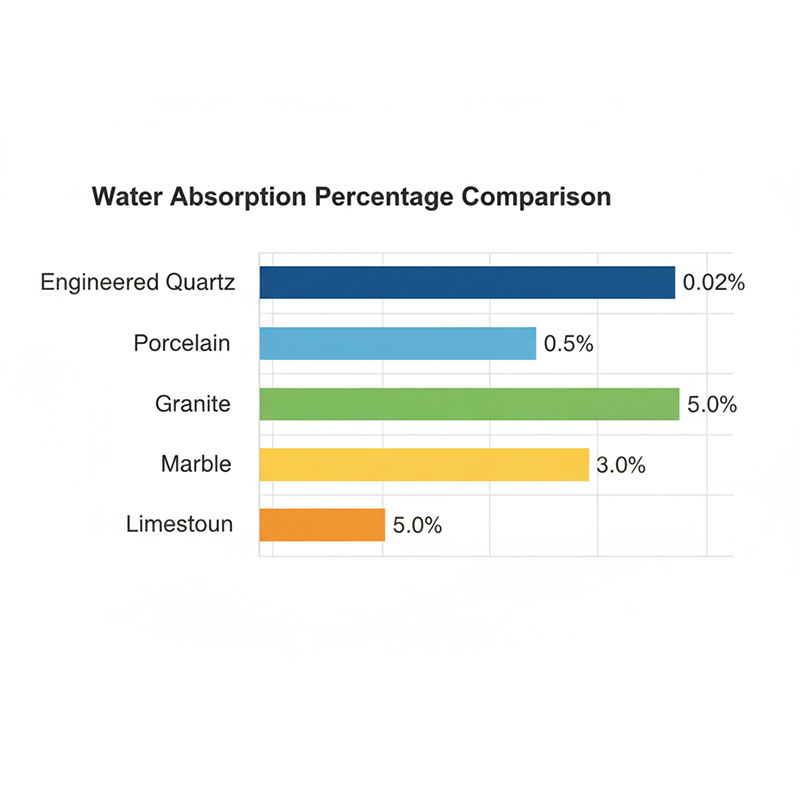
Water absorption rate, tested per EN 14617-1 (the European standard for agglomerated stone testing), is the definitive metric for evaluating a surface material's resistance to moisture penetration. High-quality engineered quartz consistently achieves water absorption rates below 0.02% by weight, meaning that a 30kg quartz slab would absorb less than 6 grams of water even after 24 hours of full submersion. For practical comparison, natural granite typically shows absorption rates of 0.1–0.6%, marble ranges from 0.2–0.5%, and porous limestones can absorb 2–12% of their weight in water. This four-to-thirty-fold advantage in moisture resistance is what makes quartz fundamentally superior to natural stone in wet environments.
The near-zero porosity is achieved through the manufacturing process: during Breton-process compression, the quartz-resin mixture is subjected to simultaneous vacuum (to extract entrapped air), vibration (to achieve maximum particle packing density), and hydraulic compression at approximately 100 tonnes of force. The result is a material with a closed-pore microstructure that contains virtually no interconnected pathways for water to enter or move through the slab. This is fundamentally different from natural stone, which contains inherent micro-pores, grain boundaries, and sometimes microscopic fissures that serve as conduits for moisture migration.
Hygiene & Biological Resistance
The non-porous surface of engineered quartz has significant implications for biological resistance — the ability to resist colonization by bacteria, mold, and mildew. In high-humidity environments (tropical climates, bathrooms, commercial kitchens, healthcare facilities), surface porosity is the primary enabler of microbial growth. Bacteria and mold spores require moisture, organic nutrients, and protected micro-environments to establish colonies. The pores and micro-fissures in natural stone provide all three: they trap moisture, absorb food residues and organic matter, and shield microorganisms from cleaning agents and surface disinfection.
Engineered quartz, by contrast, presents a smooth, non-porous surface where bacteria and mold cannot establish protected colonies. Surface contamination can be removed by standard cleaning, and the absence of pores means that no residual moisture or organic matter remains after wiping. Many engineered quartz products have been tested and certified under NSF/ANSI 51 (Food Equipment Materials) and NSF Protocol P382 for food zone surfaces, confirming their suitability for food preparation environments. For healthcare applications, some quartz products are additionally certified under GREENGUARD Gold for low chemical emissions.
Coastal & Salt-Air Environments
Coastal environments present a unique combination of high humidity (often 80–95% relative humidity), airborne salt (sodium chloride aerosol), and cyclical wetting from sea spray and condensation. For porous materials, salt air is particularly destructive: salt crystals deposited on the surface migrate into pores as a brine solution, and as the surface dries, the salt crystallizes within the pore structure. This crystallization generates expansive pressure — a process known as haloclasty — that progressively damages the material from within, causing flaking, spalling, and surface erosion. This mechanism is well-documented in natural stone deterioration studies published by organizations such as the Natural Stone Institute.
Engineered quartz is essentially immune to haloclasty because its closed-pore structure prevents salt solution from penetrating below the surface. Salt deposits on the quartz surface can be simply wiped away with a damp cloth without any risk of subsurface damage. This makes quartz an excellent specification for coastal hospitality projects (beachfront hotel lobbies, seaside restaurant counters, marina clubhouses), coastal residential properties, and any application where salt air exposure is a regular occurrence. For buyers serving markets in the Caribbean, Mediterranean, Southeast Asian coastlines, Australian coasts, and Pacific Island nations, the salt-air immunity of quartz is a powerful marketing differentiator versus natural stone.
Substrate & Adhesive Considerations in Humid Climates
While the quartz slab itself is moisture-proof, the overall installation system includes several moisture-sensitive components: the substrate (plywood, MDF, concrete), the adhesive layer, and any sealant or caulking at seams and edges. In consistently humid environments (tropical zones with 80–100% relative humidity year-round), these ancillary materials can fail even while the quartz surface remains perfect. Plywood substrates can warp and delaminate, MDF can swell and lose structural integrity, and standard PVA-based adhesives can soften and lose bond strength.
For tropical and coastal climate installations, best practice requires marine-grade or moisture-resistant plywood (not MDF) for substrates, a two-component epoxy adhesive system for slab-to-substrate bonding, 100% silicone caulking (not latex or acrylic-silicone blend) for perimeter seals, and adequate ventilation beneath the countertop to prevent moisture accumulation in the cabinet structure. These are not quartz-specific requirements — they are universal best practices for any countertop material in high-humidity environments — but B2B buyers should include them in their installation specifications to ensure that the installation system matches the durability of the quartz surface itself.
| Moisture-Related Property | Engineered Quartz | Performance Rating | Relevance |
|---|---|---|---|
| Water Absorption (EN 14617-1) | < 0.02% | ★★★★★ Excellent | All humid climates |
| Mold & Mildew Resistance | Non-porous; no colonization | ★★★★★ Excellent | Tropical, bathrooms |
| Salt-Air / Haloclasty Resistance | Immune — no pore penetration | ★★★★★ Excellent | Coastal environments |
| Steam & Condensation Tolerance | No absorption or staining | ★★★★★ Excellent | Kitchens, spas |
| Dimensional Stability in Humidity | No swelling, warping, or expansion | ★★★★★ Excellent | All humid climates |
| Adhesive Bond Durability (High RH) | Requires moisture-rated epoxy | ★★★★☆ Good | Tropical, coastal |
In Southeast Asia, Latin America, the Caribbean, and other tropical/coastal regions, natural stone countertops in kitchens and bathrooms frequently develop mold staining, water spots, and surface deterioration within 3–5 years. Position engineered quartz as the "zero-maintenance, mold-proof" alternative with concrete data: <0.02% water absorption, NSF 51 food-safety certification, and no sealing required — ever. Include before/after photos of deteriorated natural stone alongside pristine quartz of the same age for maximum impact in your sales presentations.
5. Freeze-Thaw Cycle Performance
Freeze-thaw cycling is among the most destructive natural weathering processes that building materials face in cold climates. The mechanism is straightforward but relentless: water enters pores, cracks, or surface imperfections in a material; when the temperature drops below 0°C, the water freezes and expands by approximately 9% in volume; this expansion generates internal hydraulic pressure that can exceed the tensile strength of the host material; when the ice melts, the water penetrates deeper into the now-enlarged cracks; and the cycle repeats. Over dozens or hundreds of cycles — which occur naturally every winter in continental and cold-climate regions — this process can reduce even hard natural stone to rubble.
Why Quartz Resists Freeze-Thaw Damage
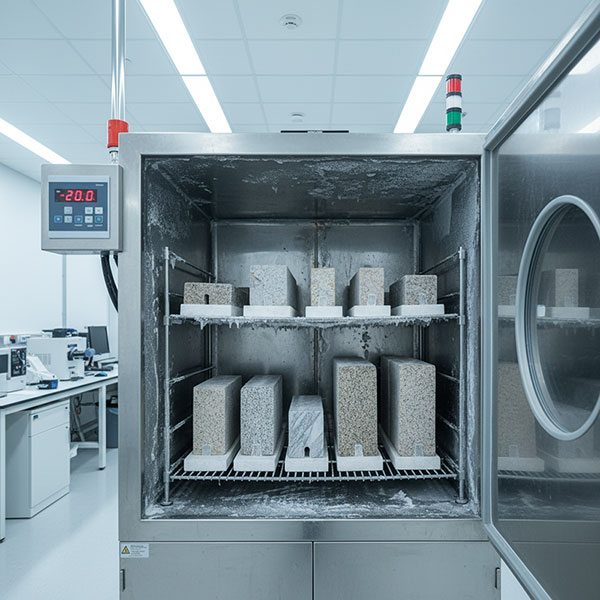
Engineered quartz resists freeze-thaw damage through the same property that provides its moisture resistance: near-zero porosity. Because water cannot penetrate the quartz surface in meaningful quantities, the freeze-thaw mechanism has very limited substrate to act upon. Testing per EN 12371 (Natural Stone Test Methods — Determination of Frost Resistance) and similar protocols subjects specimens to repeated saturation-freezing-thawing cycles, typically from -20°C to +20°C, with visual inspection and flexural strength measurement after each set of cycles. High-quality engineered quartz consistently shows no visible cracking, no spalling, no measurable weight loss, and less than 5% reduction in flexural strength after 50+ complete freeze-thaw cycles. By comparison, many marble varieties show visible cracking after just 10–15 cycles, and porous limestones can begin surface spalling within 5 cycles.
Edge and Seam Vulnerability
While the broad face of a quartz slab is highly freeze-thaw resistant, edges and seams represent potential vulnerability points that deserve attention in cold-climate installations. During fabrication, cutting and profiling operations expose the internal cross-section of the slab, creating micro-surface irregularities where water can accumulate. At seams where two slabs are joined, the adhesive bond line creates a potential pathway for moisture if the seam adhesive has degraded or was improperly applied. For outdoor or semi-outdoor installations in cold climates, ensure that all exposed edges are polished to close any micro-pores created during cutting, and that seam adhesive is a two-component epoxy formulation rated for exterior use. Sealant at the slab-to-wall and slab-to-substrate junctions should be a flexible silicone product that can accommodate thermal movement without cracking.
Real-World Cold Climate Performance
In practical cold-climate applications, engineered quartz performs excellently for interior installations in homes, commercial buildings, and institutional facilities across Northern Europe (Scandinavia, Finland, Baltic states), Canada, the northern United States, Russia, and high-altitude regions of South America (Patagonia, highland Bolivia, southern Chile). The material is not affected by the dry cold that characterizes heated indoor environments in winter (relative humidity often drops to 15–25% indoors in cold climates during heating season), nor by the temperature differential between heated interiors and frigid exteriors — provided the quartz is installed indoors and not straddling the building envelope.
For semi-outdoor and outdoor applications in cold climates, however, caution is warranted. While the quartz itself may survive freeze-thaw cycling, the combination of freeze-thaw plus UV exposure plus thermal shock from rapid temperature changes (such as a frozen surface suddenly exposed to direct sunlight, or snow/ice contact followed by hot grill proximity in outdoor kitchens) creates compound stress that exceeds the scope of standard indoor-use testing. Most manufacturers explicitly exclude outdoor installations from their warranty coverage regardless of climate zone. Buyers serving cold-climate markets should always discuss outdoor applications directly with their manufacturer and request outdoor-specific test data if available.
Key Takeaway for Cold-Climate Buyers
Freeze-thaw resistance is one of engineered quartz's strongest selling points versus natural stone in cold-climate markets. When presenting to architects, builders, and specifiers in Canada, Northern Europe, and Russia, lead with EN 12371 test data showing zero damage after 50+ cycles — and contrast this directly with the known freeze-thaw vulnerabilities of marble, limestone, and porous granite. For outdoor applications, however, recommend sintered stone (porcelain slab) or dense granite as more appropriate alternatives.
6. Chemical Resistance Across Climate Zones
While chemical resistance is not a climate factor per se, different climate zones create distinctly different chemical exposure profiles for surface materials. The cleaning products, environmental deposits, water chemistry, and maintenance practices that quartz surfaces encounter vary substantially between tropical, arid, coastal, and cold-climate markets. Understanding these regional chemical exposure patterns allows B2B buyers to provide better installation and maintenance guidance to their downstream customers.
Hard Water & Mineral Deposits (Arid Climates)
In arid regions — particularly the Middle East, North Africa, parts of India, and the American Southwest — water supplies typically have very high mineral content (hard water) with elevated concentrations of calcium, magnesium, and sometimes silica. When hard water evaporates on a quartz surface (from splashing, wet glasses, or cleaning without drying), it leaves behind mineral scale deposits that appear as white, chalky spots or a hazy film. These deposits sit on the quartz surface and do not penetrate it, but they can be stubbornly adherent and require acidic cleaning agents to remove. Mild solutions of white vinegar (5% acetic acid) or dilute citric acid are effective for routine hard water deposit removal. Buyers serving arid markets should include hard water care instructions in their documentation and recommend that end users dry quartz surfaces after contact with tap water to prevent deposit accumulation.
Salt and Chloride Deposits (Coastal Climates)
In coastal environments, airborne sodium chloride settles on all exposed surfaces, including indoor surfaces in buildings with open windows or inadequate air sealing. Salt deposits are not harmful to the quartz surface but can create a dull, hazy appearance if allowed to accumulate. Regular wiping with fresh water is sufficient to prevent salt buildup. In commercial coastal installations (hotel lobbies, beachside restaurants), daily cleaning protocols should include a fresh water wipe-down as the final step.
Pool Chemicals & Chlorine (Tropical & Resort Applications)
In tropical markets and resort/hospitality applications, quartz surfaces are sometimes installed adjacent to swimming pools — as pool surrounds, outdoor bar countertops, or changing room vanities. These surfaces may be exposed to pool water containing chlorine (hypochlorous acid), bromine, pH-adjusting chemicals (muriatic acid or sodium carbonate), and occasionally algaecides. Engineered quartz has good resistance to dilute chlorine solutions and brief exposure to pool chemicals. However, concentrated muriatic acid (hydrochloric acid) can etch the resin component of the quartz surface, and prolonged exposure to highly chlorinated water can cause surface dulling over time. For poolside applications, specify polished-finish quartz (which provides the best chemical resistance) and include guidance on prompt cleanup of chemical splashes.
De-Icing Chemicals (Cold Climates)
In cold-climate outdoor and semi-outdoor applications, quartz surfaces may come into contact with de-icing chemicals — primarily sodium chloride (rock salt), calcium chloride, magnesium chloride, and potassium acetate. Standard rock salt is not harmful to quartz, but calcium chloride is more aggressive and can leave residues that are mildly corrosive to some metal hardware used in quartz installations. The primary concern with de-icers is not chemical damage to the quartz itself, but potential corrosion of stainless steel undermount clips and support brackets. Marine-grade (316L) stainless steel hardware should be specified for any quartz installation where de-icer contact is possible.
| Chemical Agent | Common Climate Zone | Effect on Quartz | Mitigation |
|---|---|---|---|
| Hard water minerals (Ca, Mg) | Arid / Desert | Surface deposits (cosmetic) | Wipe dry; mild acid cleaner |
| Airborne salt (NaCl) | Coastal | Hazy film (cosmetic) | Regular fresh water wipe-down |
| Pool chlorine (dilute) | Tropical / Resort | Minimal effect at low concentrations | Prompt rinse after splash |
| Muriatic acid (conc. HCl) | Tropical / Resort pools | Can etch resin surface | Avoid contact; rinse immediately |
| De-icers (CaCl₂, NaCl) | Cold / Continental | Minimal; may corrode hardware | Marine-grade hardware; rinse |
| High-alkaline cleaners | All (commercial use) | Can dull polished finish over time | Use pH-neutral cleaners only |
7. Climate-Specific Recommendations for B2B Buyers
This section consolidates the technical analysis from previous chapters into actionable, climate-zone-specific sourcing and specification guidance. These recommendations assume indoor applications unless otherwise stated and are designed to help B2B buyers — importers, distributors, fabricators, and project specifiers — make informed decisions based on the climate conditions of their target market.
Tropical Climate (Brazil, Colombia, Indonesia, Philippines, Thailand, Central America, West Africa)
Tropical climates are characterized by consistently high temperatures (25–35°C year-round), high relative humidity (75–100%), intense UV radiation (UV index 10–14), heavy rainfall, and potential for mold and biological growth on building surfaces. Engineered quartz is exceptionally well-suited for tropical environments due to its non-porous surface, zero water absorption, and inherent resistance to mold and bacteria. The primary concern in tropical markets is UV exposure for window-adjacent installations and the quality of substrate and adhesive systems in the high-humidity environment.
Recommended sourcing strategy for tropical markets: specify standard polished-finish quartz (polished finish provides the best moisture and stain resistance compared to honed or textured finishes); select neutral and earth-toned colors (whites, greys, beiges) with mineral-based pigments for UV stability; require UV stabilizer inclusion in the resin formulation from your supplier; include moisture-rated installation system specifications (marine-grade plywood, epoxy adhesive, silicone sealant) in your product package; and leverage the hygiene and mold-resistance story as a primary marketing differentiator versus natural stone, which deteriorates visibly in tropical conditions within 3–5 years.
Arid & Desert Climate (Saudi Arabia, UAE, Qatar, Egypt, Morocco, Southwest US, Central Australia)
Arid climates present extreme heat (ambient 45–55°C, surface temperatures up to 80°C in direct sun), intense UV radiation (UV index 10–13), large diurnal temperature swings (25–40°C difference between day and night), low humidity (10–30% RH), and hard water with high mineral content. For indoor applications, engineered quartz performs well in arid environments. The material's thermal mass and moderate thermal conductivity provide a pleasant cool-to-the-touch feel in air-conditioned spaces, which is a tangible comfort benefit in markets where air conditioning is near-universal.
Recommended sourcing strategy: prioritize quartz products with documented UV stabilizer content for any installation near windows or in atriums; strongly recommend UV-protective window film (3M or equivalent) for buildings with floor-to-ceiling glass; specify expansion joints for slab runs exceeding 2.5 meters in environments with large temperature swings; include hard water care instructions in all end-user documentation; and market the cool-touch and luxury aesthetic benefits alongside practical performance data. For the popular Calacatta-look patterns that are in high demand across Gulf markets, advise customers to install UV-protective treatments on any sun-facing windows in rooms with quartz installations.
Cold & Continental Climate (Canada, Scandinavia, Finland, Russia, Northern US, Northern China, Patagonia)
Cold climates feature sub-zero temperatures (down to -40°C in extreme regions), freeze-thaw cycling (50–100+ cycles per winter), dry indoor air during heating season (15–25% RH), significant temperature differentials between heated interiors and cold exteriors, and potential exposure to de-icing chemicals in commercial entries. Engineered quartz is an excellent choice for cold-climate interiors, offering superior freeze-thaw resistance compared to marble and limestone, stability in low humidity (unlike wood, which shrinks and cracks), and the ability to be installed over heated flooring systems (with proper thermal management).
Recommended sourcing strategy: require EN 12371 freeze-thaw test data from your supplier (minimum 25 cycles with documented results); specify 48-hour indoor acclimatization of slabs before installation — cold slabs installed in warm rooms can develop condensation that compromises adhesive bond; for commercial entryway installations, specify marine-grade 316L stainless steel hardware to resist de-icer corrosion; and position quartz against marble and limestone by leading with freeze-thaw durability data in your architect presentations. The low-humidity interior environment in cold-climate buildings is actually favorable for quartz, as there is no moisture-related concern during the long heating season.
Coastal & Maritime Climate (Mediterranean, Caribbean, Southeast Asian Coasts, Pacific Islands, Australia)
Coastal climates combine high humidity (70–95% RH), airborne salt, UV exposure, wind-driven moisture, and in tropical coastal areas, consistently warm temperatures. This is one of the climate zones where engineered quartz's advantages over natural stone are most dramatic. The non-porous surface resists salt penetration, mold growth, and moisture damage, while natural stone alternatives (especially marble and limestone) deteriorate rapidly in coastal conditions.
Recommended sourcing strategy: specify marine-grade stainless steel (316L) for all hardware, including undermount sink clips, support brackets, and any fasteners in contact with the quartz surface — standard 304 stainless steel will corrode in salt air environments, creating rust stains at contact points; require moisture-rated installation systems throughout (epoxy adhesive, silicone sealant, marine plywood or concrete substrate); include salt-air cleaning guidance in documentation; and market quartz as the "maintenance-free coastal surface" in contrast to natural stone, which requires regular sealing and eventually deteriorates in coastal conditions regardless of maintenance.
High-Altitude Climate (Mexico City, Bogotá, La Paz, Addis Ababa, Lhasa, Alpine Europe)
High-altitude environments are often overlooked in climate performance discussions, but they present a unique combination of intense UV radiation (10–12% increase per 1000m elevation), cooler temperatures, rapid temperature changes, and in some locations, significant freeze-thaw cycling. The UV intensity at 2500m elevation (Mexico City, Bogotá) is approximately 25–30% higher than at sea level at the same latitude. For quartz installations in high-altitude cities, UV precautions should be applied even more rigorously than at sea level in the same climate zone.
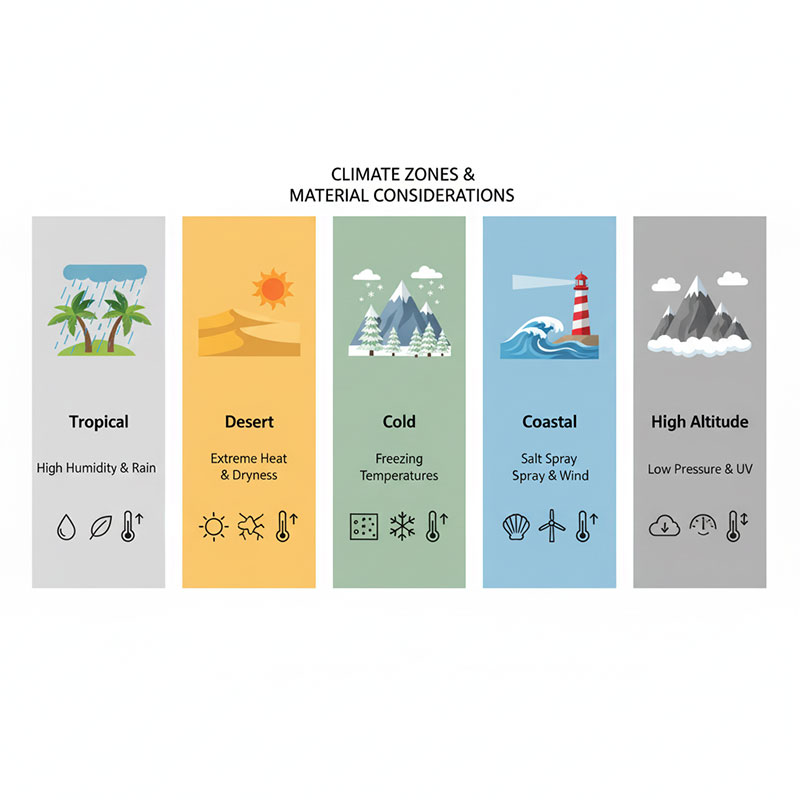
| Climate Zone | Primary Challenge | Indoor Rating | Key Specification | Marketing Angle |
|---|---|---|---|---|
| Tropical | Humidity + UV + Mold | ★★★★★ | Moisture-rated install system | Mold-proof, zero maintenance |
| Arid / Desert | Heat + UV + Hard water | ★★★★☆ | UV film + expansion joints | Cool-touch luxury surface |
| Cold / Continental | Freeze-thaw + Low RH | ★★★★★ | 48hr acclimatization + 316L hardware | Freeze-thaw proof vs marble |
| Coastal / Maritime | Salt air + Humidity | ★★★★★ | 316L marine-grade hardware | Salt-proof, maintenance-free |
| High Altitude | Intense UV + Temp swings | ★★★★☆ | UV-stabilized formulation | Durable high-altitude surface |
| Temperate | Moderate all factors | ★★★★★ | Standard protocols | Superior to natural stone |
8. Indoor vs. Outdoor Considerations: A Definitive Guide
The indoor-versus-outdoor question is among the most frequently raised topics in B2B quartz sales conversations, particularly from buyers serving markets in warm climates where outdoor living and entertaining spaces are culturally important — the Mediterranean, Middle East, Latin America, Australia, and Southeast Asia. This section provides a definitive analysis of the risks, realistic expectations, and practical guidance for each application category.
Indoor Applications: Full Performance, Full Warranty
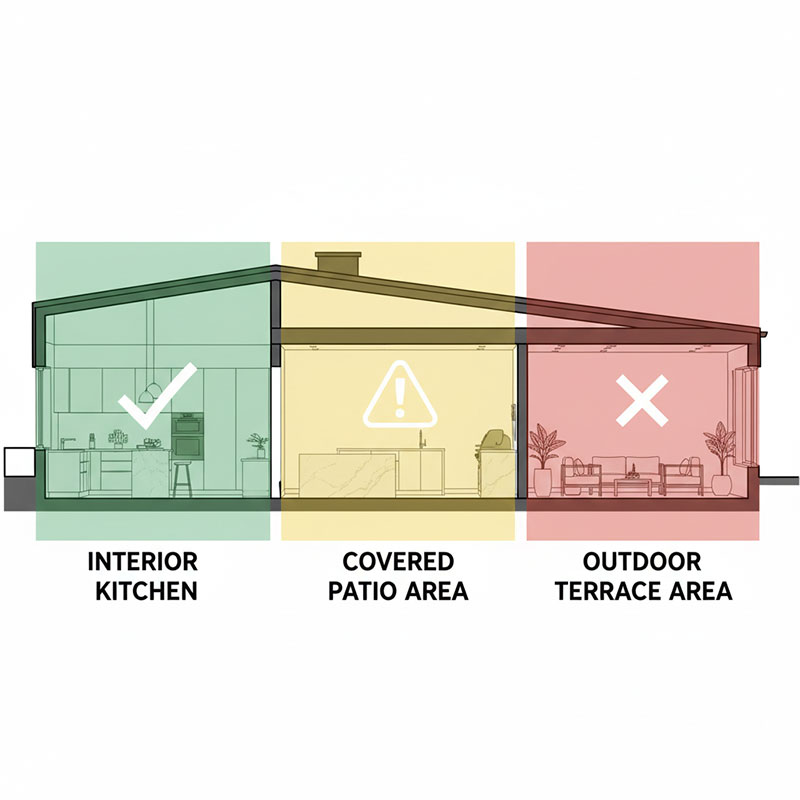
Indoor applications represent the designed, tested, and warranted use case for engineered quartz. In properly climate-controlled interior environments, quartz surfaces can be expected to maintain their appearance, structural integrity, and performance characteristics for 15–25 years or more with basic routine care. The vast majority of quartz countertops installed globally since the material's commercial introduction in the 1980s are indoor installations, and the track record is excellent. There are no climate-related restrictions for indoor use — quartz performs equally well indoors in tropical Singapore, frozen Helsinki, arid Dubai, and coastal Sydney, provided the installation system is appropriate for the local conditions as detailed in the climate-specific recommendations above.
Semi-Outdoor Applications: Viable with Precautions
Semi-outdoor applications occupy a growing but ambiguous category that includes covered patios, lanais, screened porches, outdoor kitchens under permanent roof structures, pool houses with walls but open sides, conservatories, and enclosed balconies. In these installations, the quartz surface is shielded from direct rain and full-sun UV exposure but is exposed to indirect natural light, ambient outdoor temperatures, humidity fluctuations, and possibly wind-blown moisture or salt air.
In practical experience, engineered quartz performs well in semi-outdoor applications when certain conditions are met: the surface must be under a permanent solid roof that blocks direct sunlight and rain; the surface should not be positioned where it receives concentrated reflected UV from adjacent glass, water, or light-colored paving; the installation system should use outdoor-rated adhesives and sealants; and the customer should understand and accept that the manufacturer's warranty may not cover this use case. Many luxury hotels, restaurants, and residential projects in warm climates have successfully used quartz in semi-outdoor settings for 10+ years without significant issues. The key variable is UV exposure — if the covered area receives only diffuse, indirect light, degradation is minimal; if it receives even a few hours of direct sunlight daily through gaps in the roof or reflected from surroundings, visible color changes can develop within 3–5 years.
Fully Outdoor Applications: Not Recommended
Fully outdoor installations — uncovered outdoor kitchen countertops, exposed bar tops, poolside surfaces, exterior wall cladding, outdoor stair treads, and garden furniture tops — are explicitly not recommended by virtually all engineered quartz manufacturers. The combination of all-day direct UV exposure, rain cycles, full temperature range exposure, and potential freeze-thaw cycling (in cold climates) creates a compound stress environment that exceeds the material's design parameters. The resin binder will degrade under sustained UV, leading to yellowing, surface chalking, and loss of structural bond between the resin and quartz aggregate over time. This degradation is not a defect — it is an inherent limitation of the polymer resin system that binds the material together.
For customers who desire the aesthetic of quartz in fully outdoor settings, the recommended alternatives include sintered stone (large-format porcelain slabs such as Dekton by Cosentino or Neolith, which are fired at 1200°C and contain no polymer resin), natural granite (selected varieties with low porosity and good UV stability), or outdoor-rated solid surface materials. If a customer absolutely insists on using quartz outdoors despite the recommendation, advise them to select only dark-colored, mineral-pigmented varieties (black, dark grey, dark brown); accept that the manufacturer warranty will not apply; plan for eventual color change and surface degradation; and consider the outdoor installation as having a 5–8 year aesthetic lifespan rather than the 15–25+ year indoor lifespan.
For B2B buyers and distributors, managing outdoor-use expectations is critical for controlling warranty exposure. Include explicit indoor-use-only language in all sales contracts, invoices, and care guides. For semi-outdoor applications, create a separate written acknowledgment that the customer signs, documenting the conditions of use and the limitations of warranty coverage. This practice protects your business from claims related to UV degradation in outdoor or semi-outdoor installations and demonstrates professional due diligence to your manufacturer partner.
9. Installation Best Practices by Climate Zone
Correct installation is as important as product quality in determining the long-term performance of engineered quartz in any climate. While the fundamental installation techniques are consistent worldwide, certain climate-specific adaptations are necessary to account for temperature, humidity, and environmental conditions during and after installation. This section outlines the key climate-sensitive installation variables and provides actionable guidance for fabricators and installers operating in different environments.
Slab Acclimatization
Engineered quartz slabs should be allowed to acclimatize to the ambient temperature of the installation site before fabrication and installation. This is particularly important in cold and hot climates where the storage warehouse temperature may differ significantly from the installation site temperature. In cold climates, slabs stored in unheated warehouses at 0–10°C should be moved to the heated installation site and allowed to equilibrate to room temperature (20–22°C) for a minimum of 48 hours before installation. Installing a cold slab in a warm room can cause condensation to form on the slab surface, compromising adhesive bond strength. In hot climates, slabs stored in un-air-conditioned warehouses at 35–45°C should similarly be acclimatized in the air-conditioned installation environment for 24–48 hours to prevent thermal stress during adhesive curing.
Adhesive Selection by Climate
The adhesive system is the critical link between the quartz slab and the substrate, and adhesive performance is directly affected by climate conditions during and after installation. For temperate indoor environments (20–25°C, 40–60% RH), standard two-component polyester or epoxy adhesives perform well. For hot climates (ambient above 35°C), use slow-cure adhesive formulations that allow adequate working time before gel; rapid-cure adhesives can set before the slab is properly positioned. For high-humidity environments (above 75% RH), specify moisture-insensitive epoxy adhesives — standard polyester adhesives can develop a cloudy bond line or reduced strength when cured in high humidity. For cold-climate installations (ambient below 15°C), use adhesive formulations rated for low-temperature curing, or ensure the installation area is heated to above 15°C for 24 hours after installation to achieve full adhesive cure.
Expansion Joint Design
Expansion joints accommodate the thermal expansion and contraction of quartz slabs, preventing stress buildup that can lead to buckling, cracking, or delamination. For standard indoor installations in temperate climates, a 3–5mm perimeter gap (filled with flexible silicone) between the slab edge and the wall is sufficient. For installations in environments with larger temperature swings — such as semi-outdoor covered areas in hot climates, buildings without climate control, or cold-climate buildings with intermittent heating — the perimeter gap should be increased to 5–8mm, and mid-span expansion joints should be incorporated at intervals of no more than 3 meters for long countertop runs. At seams between slabs, a 2–3mm gap filled with color-matched flexible adhesive (not rigid epoxy) allows for thermal movement while maintaining a visually seamless appearance.
Substrate Preparation
The substrate — the structural support beneath the quartz slab — must be appropriate for the climate conditions. In temperate and dry climates, standard A/C grade plywood (18mm minimum) is acceptable. In humid and tropical climates, marine-grade plywood or exterior-grade plywood (rated for moisture exposure) should be specified, and the substrate should be sealed on all surfaces (top, bottom, and edges) with a moisture-resistant coating to prevent swelling and delamination. In environments where concrete or masonry substrates are used (common in Latin American, Middle Eastern, and Asian markets), the substrate must be fully cured (minimum 28 days for new concrete) and must be tested for moisture content before slab installation. Residual moisture in a concrete substrate can prevent proper adhesive bonding and may create vapor pressure beneath the slab in heated environments.
Hardware Specification by Climate
All metal hardware used in quartz installations — undermount sink clips, corbel brackets, support rods, seam connectors, and fasteners — should be specified according to the corrosion risk of the installation environment. For standard indoor installations in dry or temperate climates, 304-grade stainless steel is adequate. For coastal environments, high-humidity tropical environments, poolside installations, or any location where salt air, chlorine, or de-icing chemicals may contact the hardware, 316L marine-grade stainless steel should be specified without exception. Corroding hardware is one of the most common causes of premature quartz installation failure — not because the quartz itself is damaged, but because rust staining from corroded hardware creates unsightly discoloration at contact points that is extremely difficult to remove and creates an impression of product failure.
Tropical / Coastal: Marine plywood substrate, epoxy adhesive, silicone sealant, 316L stainless hardware, ventilated cabinets.
Arid / Desert: Standard substrate, slow-cure adhesive, 5–8mm expansion gaps, UV window film recommendation.
Cold / Continental: 48hr acclimatization, low-temp-rated adhesive, 316L hardware if de-icers present, heated workspace for installation.
Temperate: Standard substrate, standard adhesive, 3–5mm expansion gaps, 304 stainless hardware.
10. Long-Term Durability & Lifecycle Considerations
For B2B buyers evaluating engineered quartz as a product line, the long-term durability and total lifecycle economics of the material are key factors in both the sourcing decision and the downstream value proposition to customers. Engineered quartz's position as a premium surface material is sustained not just by its aesthetic appeal, but by its documented longevity, low maintenance requirements, and favorable total cost of ownership compared to natural stone alternatives.
Expected Lifespan by Application Environment
In properly maintained indoor applications, engineered quartz surfaces have an expected aesthetic and functional lifespan of 15–25+ years. This estimate is based on three decades of market experience since the material's widespread commercial adoption in the 1990s, accelerated aging tests (thermal cycling, UV exposure, chemical resistance, and abrasion testing) per the EN 14617 test series, and warranty data from major manufacturers showing claim rates well below 2% within standard 10–15 year warranty periods. The primary end-of-life trigger for indoor quartz installations is typically not material failure but rather aesthetic obsolescence — the customer desires a design update — or localized damage from impact, heat abuse, or chemical exposure that is attributable to user behavior rather than material degradation.
In semi-outdoor covered applications, the expected lifespan is reduced to approximately 8–15 years, depending on the level of UV exposure and climate severity. In fully outdoor exposed applications (not recommended), significant aesthetic degradation can be expected within 3–8 years in high-UV environments.
Maintenance Requirements by Climate
One of the strongest value propositions of engineered quartz — and one of the most important messages for B2B buyers to communicate downstream — is the material's extremely low maintenance requirement. Unlike natural granite and marble, which require periodic sealing (typically annually) with impregnating sealers to maintain stain resistance, engineered quartz never requires sealing at any point during its service life. The non-porous surface provides permanent, built-in stain resistance without the ongoing cost and effort of resealing.
Routine care consists of daily cleaning with a soft cloth and mild dish soap or a pH-neutral stone cleaner. For stubborn stains, a non-abrasive cream cleanser (such as Bar Keeper's Friend or similar) can be used. In hard water areas (arid climates), a weekly wipe with diluted white vinegar prevents mineral deposit buildup. In coastal areas, a daily fresh-water wipe removes salt accumulation. No special sealers, polishes, waxes, or treatment products are needed — ever. This zero-maintenance promise is a powerful differentiator, especially in markets where natural stone maintenance is a known pain point for end consumers.
Total Cost of Ownership
When evaluating total cost of ownership (TCO) over a 15-year period, engineered quartz often proves more economical than premium natural stone despite similar or higher initial material costs. The TCO advantage stems from zero sealing costs (natural stone sealing costs $100–300 per application, multiplied by 10–15 applications over a 15-year span), lower probability of staining and replacement (quartz's non-porous surface eliminates the most common cause of premature natural stone replacement), no structural damage from moisture in humid climates (marble and limestone deterioration in tropical environments frequently requires full replacement within 8–12 years), and consistent appearance that maintains property value without the patina and wear marks that develop on natural stone. For commercial projects with strict appearance standards — hotels, restaurants, retail spaces, corporate offices — the consistency and zero-maintenance characteristics of quartz can significantly reduce facilities management costs over the project lifecycle.
| Lifecycle Factor | Engineered Quartz | Natural Granite | Natural Marble |
|---|---|---|---|
| Expected Indoor Lifespan | 15–25+ years | 15–30+ years | 10–20 years |
| Sealing Required | Never | Annually | 2–3× per year |
| Stain Replacement Risk | Very Low | Moderate | High |
| Moisture Damage Risk | None | Low–Moderate | Moderate–High |
| 15-Year Maintenance Cost* | ~$0–50 | ~$1,500–4,500 | ~$3,000–7,500 |
| Freeze-Thaw Damage Risk | Negligible | Low–Moderate | High |
*Estimated maintenance cost over 15 years for a standard 3m² kitchen countertop, including sealing products, professional sealing services, and stain remediation. Actual costs vary by region and stone variety.
Final Summary for B2B Buyers
Engineered quartz stone delivers excellent to outstanding performance across virtually all climate zones for indoor applications. Its near-zero porosity makes it the superior choice over natural stone in humid, tropical, and coastal environments. Its freeze-thaw resistance surpasses marble and limestone in cold climates. The primary climate-related limitation is UV sensitivity, which restricts outdoor use and requires precautions near windows in high-UV regions. By understanding these climate dynamics and specifying appropriate installation systems, B2B buyers can confidently position quartz as a high-performance, low-maintenance premium surface material for any global market.
Need Climate-Specific Product Recommendations?
Our technical team provides detailed product and installation guidance tailored to your specific climate zone and project requirements. Request a consultation with test data, CIF pricing, and custom specification sheets.
Request Free Consultation →